
Anúncios
The Global South stands at a pivotal crossroads where strategic investment in innovation can unlock unprecedented economic growth, social transformation, and sustainable development for billions of people worldwide.
🌍 Understanding the Innovation Gap in Developing Economies
For decades, the narrative around development has centered on traditional aid models and infrastructure projects. While these remain important, the 21st century demands a fundamental shift in how we approach progress in emerging economies. The Global South—comprising regions across Africa, Latin America, Asia, and the Pacific—holds immense untapped potential that can only be realized through deliberate, sustained investment in innovation ecosystems.
Anúncios
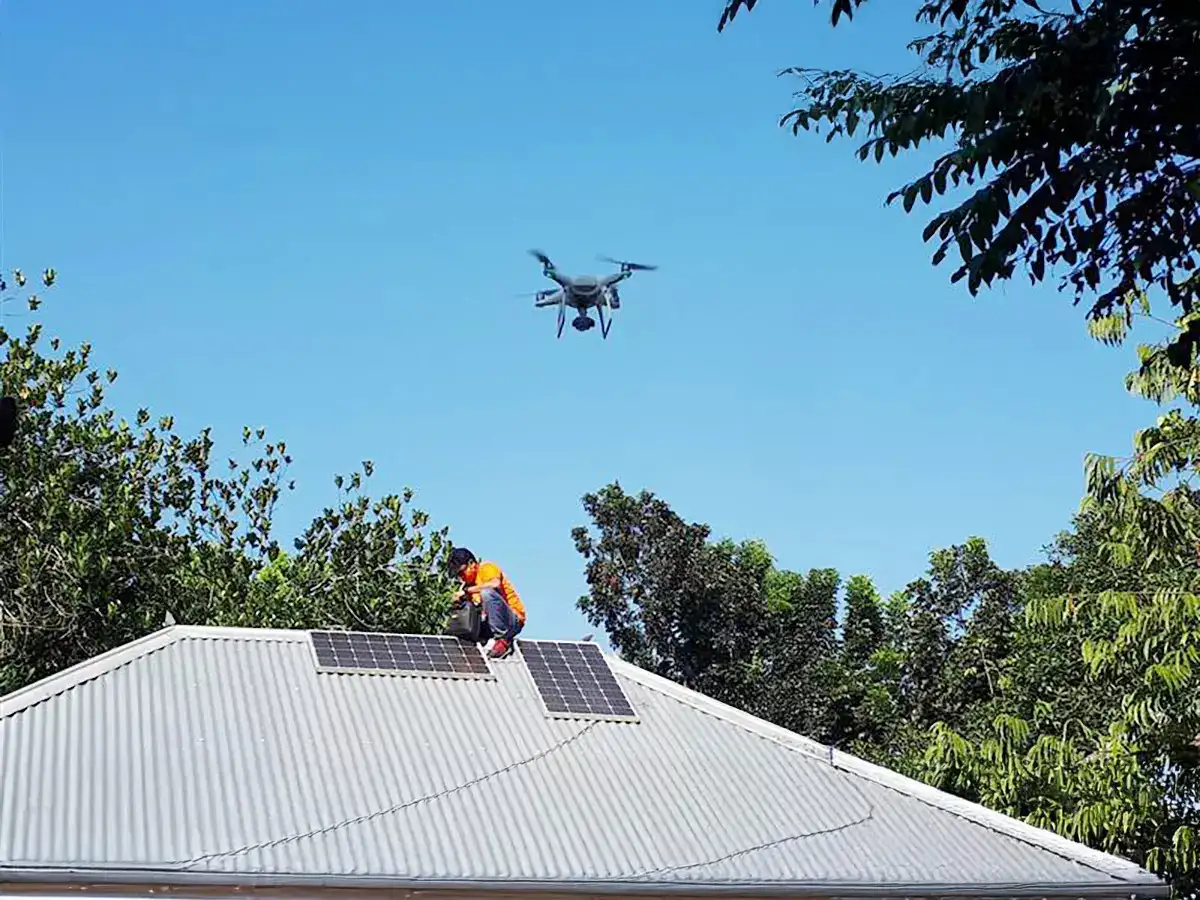
Innovation isn’t merely about cutting-edge technology or Silicon Valley-style startups. In the context of developing nations, innovation encompasses creative problem-solving, appropriate technology adoption, indigenous knowledge integration, and entrepreneurial thinking that addresses local challenges with contextually relevant solutions. From mobile banking revolutionizing financial inclusion to solar-powered irrigation transforming agriculture, innovation in the Global South takes many forms.
The innovation deficit isn’t simply about lack of ideas or entrepreneurial spirit—these exist in abundance. The real barriers include limited access to capital, inadequate infrastructure, brain drain, restrictive regulatory environments, and insufficient connections to global knowledge networks. Addressing these systemic challenges requires coordinated efforts from governments, private sector actors, international organizations, and civil society.
Anúncios
📊 The Economic Imperative: Why Innovation Drives Prosperity
Economic data consistently demonstrates that innovation-driven growth creates more sustainable, inclusive prosperity than resource extraction or low-value manufacturing alone. Countries that successfully build innovation capacity experience faster GDP growth, higher-quality employment, increased exports of sophisticated products, and greater resilience to economic shocks.
Consider South Korea’s transformation from a war-torn nation in the 1950s to a technology powerhouse today. This remarkable journey was fueled by strategic investments in education, research and development, and policies that encouraged entrepreneurship and technological advancement. Similarly, countries like Rwanda, Estonia, and Singapore have demonstrated how deliberate innovation strategies can accelerate development trajectories.
The multiplier effects of innovation investment extend far beyond immediate economic returns. When local entrepreneurs develop solutions for local problems, they create jobs, build skills, retain talent, and establish foundations for sustained competitiveness. A thriving startup in Lagos or Lima doesn’t just generate profits—it demonstrates possibility, inspires others, and builds the connective tissue of an innovation ecosystem.
Breaking the Middle-Income Trap Through Innovation
Many developing nations find themselves stuck in the middle-income trap, unable to compete with low-wage economies on cost or with advanced economies on innovation. The only sustainable escape route involves moving up the value chain through innovation capacity. This requires transitioning from imitation to creation, from assembly to design, from consumption to production of knowledge-intensive goods and services.
Innovation investment helps countries diversify their economies beyond commodity dependence, reducing vulnerability to price fluctuations and external shocks. It enables the development of competitive advantages based on unique capabilities, cultural assets, and contextual understanding rather than merely cheap labor or natural resources.
💡 Key Sectors Driving Innovation-Led Transformation
Several sectors offer particularly promising opportunities for innovation-driven progress in the Global South. These areas combine significant social impact potential with viable commercial models and alignment with local needs and capabilities.
Agricultural Technology and Food Security
Agriculture remains the primary livelihood for billions in developing countries, yet productivity gaps persist. Innovations in precision agriculture, climate-resilient crop varieties, efficient irrigation systems, supply chain optimization, and market access platforms can dramatically improve yields, incomes, and food security. Companies developing affordable agtech solutions specifically designed for smallholder farmers are creating both social value and investment returns.
Financial Technology and Inclusion
Financial exclusion affects over 1.7 billion adults globally, predominantly in developing countries. Mobile money platforms, digital lending services, microinsurance products, and blockchain-based identity systems are extending financial services to previously unbanked populations. The success of M-Pesa in Kenya demonstrates how fintech innovation can leapfrog traditional banking infrastructure to deliver transformative impact at scale.
Healthcare Innovation and Access
Healthcare challenges in the Global South demand innovative approaches to delivery, diagnostics, treatment, and prevention. Telemedicine platforms, AI-powered diagnostic tools, low-cost medical devices, drone delivery systems for medicines, and preventive health apps are making quality healthcare more accessible and affordable. These innovations address critical gaps while creating sustainable business models.
Clean Energy and Climate Solutions
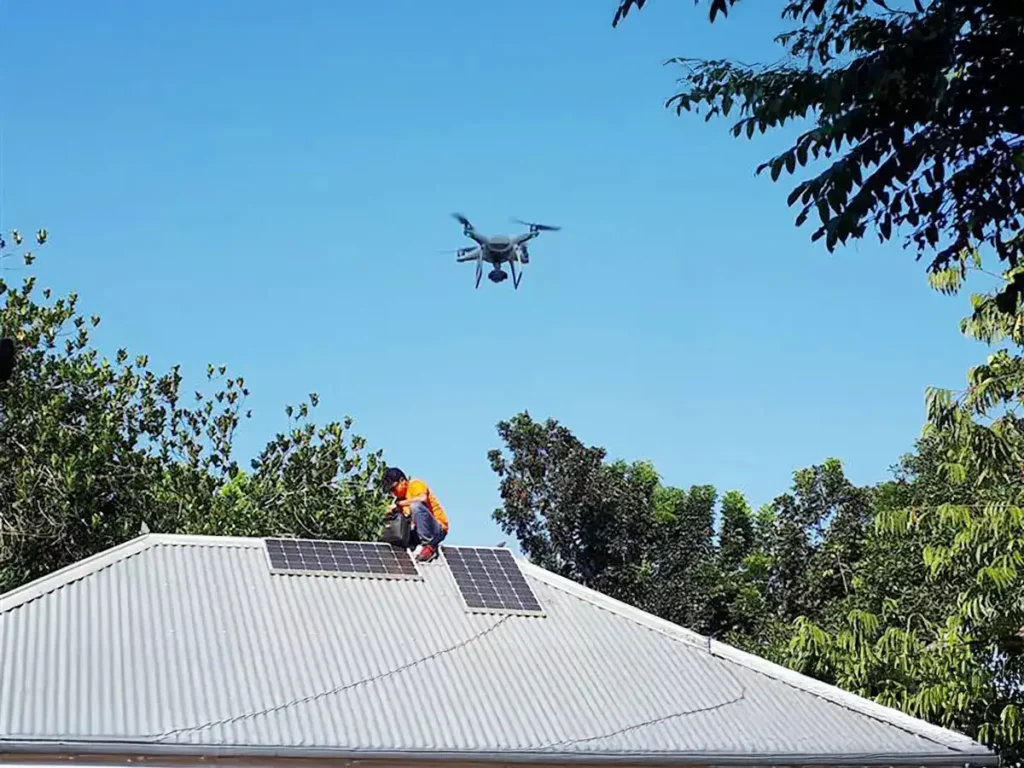
Developing countries face the dual challenge of expanding energy access while mitigating climate change. Distributed renewable energy systems, efficient cookstoves, battery storage solutions, and smart grid technologies enable clean development pathways. Innovation in this sector directly addresses some of humanity’s most pressing challenges while opening massive market opportunities.
Education Technology and Skills Development
Education systems in many developing countries struggle with quality, access, and relevance gaps. Digital learning platforms, adaptive educational software, vocational training apps, and alternative credentialing systems can democratize quality education. EdTech innovations particularly benefit underserved communities, women, and rural populations with limited access to traditional educational institutions.
🚀 Building Robust Innovation Ecosystems
Sustainable innovation doesn’t happen in isolation—it requires comprehensive ecosystem development. Successful innovation hubs share common characteristics that developing countries can intentionally cultivate through strategic policy and investment decisions.
Investing in Human Capital
No innovation ecosystem thrives without talented, educated people. This requires sustained investment in quality education at all levels, with particular emphasis on STEM fields, critical thinking, creativity, and entrepreneurial skills. Brain drain remains a challenge, but countries like India and Israel have demonstrated how diaspora networks can become bridges to global knowledge and capital when conditions improve domestically.
Technical education must be complemented by business skills, as many technically proficient entrepreneurs fail due to weak commercial acumen. Mentorship programs, accelerators, and practical entrepreneurship education help bridge this gap.
Facilitating Access to Capital
Capital scarcity constrains innovation across the Global South. While the situation has improved with growing venture capital activity in regions like Southeast Asia, Latin America, and Africa, significant gaps remain. Diverse funding mechanisms are needed at different stages—from grants and seed funding for early experiments to growth capital for scaling proven models.
Blended finance models that combine philanthropic capital, development finance, and commercial investment can address market failures while building track records that attract purely commercial investors. Government co-investment funds, tax incentives for angel investors, and regulatory frameworks for crowdfunding can mobilize additional capital sources.
Strengthening Physical and Digital Infrastructure
Reliable electricity, internet connectivity, transportation networks, and commercial spaces form the foundation for innovation activity. Many developing countries face infrastructure deficits that limit entrepreneurial potential. Strategic infrastructure investments—particularly in digital connectivity—can unlock disproportionate innovation dividends.
Co-working spaces, innovation labs, technology parks, and maker spaces provide affordable access to facilities and foster collaboration. These physical hubs serve as visible symbols of innovation culture while offering practical support to entrepreneurs.
Creating Enabling Policy and Regulatory Environments
Regulatory frameworks designed for industrial-era economies often impede digital-age innovation. Progressive governments are reforming regulations around business registration, intellectual property, data governance, foreign investment, and sector-specific rules to facilitate innovation while protecting public interests.
Government procurement policies can stimulate innovation by creating demand for local solutions. Regulatory sandboxes allow entrepreneurs to test innovative models without immediately complying with all existing regulations, enabling experimentation while managing risks.
🤝 The Role of International Collaboration and Investment
While domestic efforts remain primary, international partnerships accelerate innovation capacity building in the Global South. These collaborations take multiple forms, each contributing distinct value to the innovation ecosystem.
Foreign Direct Investment and Technology Transfer
Multinational corporations increasingly establish innovation centers in developing countries, attracted by talent pools, market insights, and cost advantages. These investments bring not just capital but also knowledge transfer, global standards, market access, and credibility to local ecosystems. Maximizing benefits requires policies that encourage genuine technology transfer and local capacity building rather than merely extractive relationships.
Development Finance and Impact Investment
Development finance institutions and impact investors play crucial roles in funding innovations addressing development challenges. These actors can take risks that purely commercial investors avoid, pioneering new sectors and demonstrating viability. As markets mature, their catalytic capital attracts commercial players, creating sustainable investment flows.
Knowledge Exchange and Research Collaboration
Universities, research institutions, and innovation organizations in developed countries increasingly partner with counterparts in the Global South. These collaborations facilitate knowledge exchange, joint research on relevant challenges, student and researcher mobility, and integration into global innovation networks. Open access to research, open-source technologies, and knowledge commons initiatives democratize access to cutting-edge science and technology.
📱 Digital Platforms Democratizing Innovation
Digital technology fundamentally changes innovation dynamics by reducing barriers to entry, enabling rapid scaling, and connecting previously isolated actors. Entrepreneurs in Nairobi, Mumbai, or São Paulo now access the same cloud computing resources, development tools, and global markets as their Silicon Valley counterparts.
Online learning platforms provide affordable access to world-class education and skills development. GitHub enables collaborative software development across borders. Global freelancing platforms connect talent with opportunities regardless of location. These digital enablers don’t eliminate all advantages of established innovation centers, but they significantly level the playing field.
Mobile technology particularly matters in developing countries where smartphone penetration often exceeds computer ownership. Mobile-first innovation strategies acknowledge this reality, designing solutions optimized for mobile devices and limited connectivity environments. The mobile revolution has already transformed commerce, communication, and information access—its innovation potential continues expanding.
🌱 Measuring Impact Beyond Traditional Metrics
Assessing innovation’s contribution to progress requires looking beyond conventional economic indicators. While GDP growth and job creation matter, innovation in the Global South must also be evaluated through lenses of inclusion, sustainability, and capability building.
Does innovation reach marginalized populations or only serve existing elites? Does it create dependence on imported technology or build local capacity? Does it generate quick profits through exploitation or create long-term value through empowerment? Does it extract resources or regenerate communities? These questions help distinguish truly transformative innovation from superficial change.
Gender-inclusive innovation deserves particular attention. Women face specific barriers as entrepreneurs and often have limited access to innovation benefits. Deliberately addressing gender gaps through targeted programs, financing mechanisms, and inclusive design approaches ensures innovation serves entire populations.
🔮 Emerging Opportunities and Future Directions
The innovation landscape continuously evolves, creating new opportunities for the Global South to leapfrog traditional development paths. Artificial intelligence, biotechnology, renewable energy, advanced materials, and other emerging technologies offer possibilities for countries to establish leadership positions rather than perpetually catching up.
The COVID-19 pandemic demonstrated both vulnerabilities and innovative capacities in developing countries. Local manufacturers pivoted to producing ventilators and PPE, digital health solutions expanded rapidly, and decentralized approaches proved resilient. This crisis-driven innovation should inform ongoing investment strategies.
Climate change creates urgent imperatives but also innovation opportunities. Countries developing climate adaptation and mitigation solutions serve their own needs while potentially creating exportable innovations for other vulnerable regions. The energy transition, sustainable agriculture, and circular economy models represent areas where the Global South can innovate from necessity and potentially lead globally.
🎯 Actionable Strategies for Stakeholders
Different actors play distinct roles in empowering innovation-driven progress. Governments must create enabling environments through smart regulation, strategic investment, and supportive policies. The private sector should invest not just in established markets but in pioneering ventures addressing development challenges.
International organizations can facilitate knowledge exchange, provide catalytic financing, and support policy development. Educational institutions should emphasize innovation skills, entrepreneurship, and practical problem-solving alongside traditional curricula. Civil society organizations can advocate for inclusive innovation, support underserved entrepreneurs, and ensure accountability.
Individual entrepreneurs, investors, technologists, and citizens all contribute to innovation ecosystems through their choices and actions. Supporting local innovators, participating in knowledge sharing, mentoring emerging entrepreneurs, and demanding innovative solutions to community challenges all matter.
🌟 Realizing the Promise of Innovation-Led Development
The Global South’s development trajectory increasingly depends on innovation capacity rather than traditional factors alone. Countries and regions making strategic investments in innovation ecosystems, human capital, enabling infrastructure, and supportive policies position themselves for sustainable, inclusive prosperity.
Success stories from across developing regions demonstrate what’s possible when innovation becomes central to development strategy. These examples should inspire broader adoption of innovation-led approaches while recognizing that successful models must be adapted to local contexts rather than copied wholesale.
The innovation revolution presents historic opportunities to address persistent development challenges while building competitive advantages for the 21st century economy. Seizing these opportunities requires vision, commitment, and coordinated action from all stakeholders. The potential rewards—economically, socially, and environmentally—justify the required investments many times over.
Empowering progress through innovation investment isn’t just economically rational—it’s morally imperative. Billions of people deserve opportunities to realize their potential, solve problems affecting their communities, and participate fully in the global economy. Innovation-led development offers pathways to these outcomes, creating a more prosperous, equitable, and sustainable world for all.
