Anúncios
The future of creative collaboration is here, and it’s decentralized. Modern teams are breaking free from traditional hierarchies to unlock unprecedented innovation through distributed design practices.
🚀 The Shifting Landscape of Creative Collaboration
Creative work has undergone a massive transformation over the past decade. Gone are the days when design teams needed to huddle around a single screen or whiteboard to brainstorm ideas. Today’s most innovative companies are embracing decentralized design collaboration—a approach that empowers team members to contribute from anywhere, at any time, without sacrificing quality or cohesion.
Anúncios
This evolution isn’t just about remote work; it’s about fundamentally rethinking how creative minds connect, share ideas, and build upon each other’s work. Decentralized design collaboration represents a paradigm shift that values flexibility, diversity of thought, and seamless integration of tools and processes.
The traditional waterfall approach to design—where projects move linearly from one department to another—is increasingly becoming obsolete. Instead, successful teams are adopting agile, distributed methodologies that allow multiple contributors to work simultaneously on different aspects of a project while maintaining a unified vision.
Anúncios
Understanding Decentralized Design Collaboration
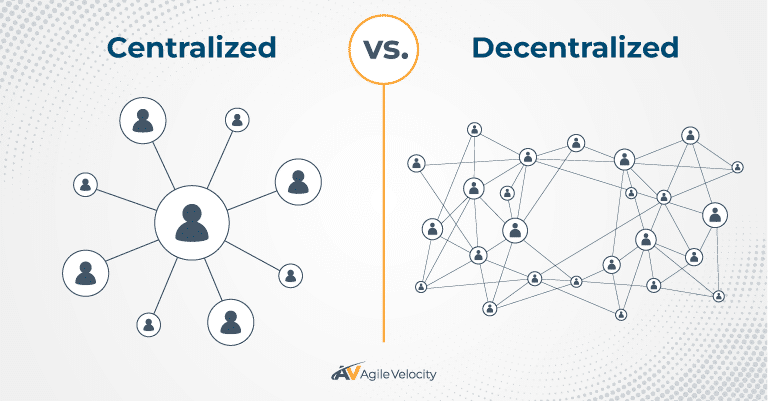
At its core, decentralized design collaboration means distributing creative decision-making and execution across team members, regardless of their physical location or position in the organizational hierarchy. This approach leverages cloud-based tools, real-time communication platforms, and shared design systems to create an environment where innovation can flourish organically.
Unlike centralized models where a single creative director or small leadership team makes all critical decisions, decentralized collaboration empowers every team member to contribute meaningfully to the creative process. This democratization of design doesn’t mean chaos—rather, it requires robust frameworks, clear communication protocols, and the right technological infrastructure.
The benefits extend far beyond convenience. When teams embrace decentralized collaboration, they tap into a wider pool of perspectives, reduce bottlenecks, accelerate iteration cycles, and create more inclusive work environments where diverse voices shape the final product.
Key Principles That Drive Success
Successful decentralized design collaboration rests on several fundamental principles. First, transparency is paramount. All team members need access to project information, design files, and decision-making rationale. When everyone can see the big picture, they make better individual contributions that align with collective goals.
Second, asynchronous communication becomes essential. Not everyone works during the same hours or maintains the same energy patterns throughout the day. Decentralized teams thrive when members can contribute during their peak creative hours and respond to others without requiring real-time presence.
Third, documentation transforms from a bureaucratic necessity into a creative asset. Well-maintained design systems, decision logs, and feedback records create institutional memory that new team members can access instantly, reducing onboarding time and preserving the reasoning behind creative choices.
💡 Tools and Technologies Powering Distributed Creativity
The decentralized design revolution wouldn’t be possible without the sophisticated tools that have emerged in recent years. Cloud-based design platforms allow multiple designers to work on the same file simultaneously, seeing each other’s cursors move in real-time and leaving contextual comments directly on design elements.
Version control systems adapted from software development have found new life in design contexts. These tools automatically track changes, allow teams to experiment with alternative approaches without losing work, and make it easy to revert to previous versions when necessary.
Communication platforms specifically built for creative teams bridge the gap between casual conversation and formal project management. These tools integrate with design software, creating workflows where feedback, iteration, and approval happen seamlessly within the creative environment rather than requiring context-switching to separate applications.
Choosing the Right Platform for Your Team
Selecting collaboration tools isn’t a one-size-fits-all decision. Teams need to consider their specific workflows, security requirements, budget constraints, and integration needs. Some platforms excel at real-time collaboration for interface design, while others specialize in video editing, 3D modeling, or brand asset management.
The best approach involves evaluating tools based on how well they support your team’s actual creative process rather than forcing your process to adapt to the tool’s limitations. Many successful teams use a combination of specialized applications rather than relying on a single platform for all needs.
Integration capabilities matter tremendously. When your design tools connect smoothly with project management software, communication platforms, and file storage systems, friction disappears from daily workflows. Time saved on administrative tasks can be redirected toward actual creative work.
Building a Culture That Embraces Distributed Design
Technology alone cannot create successful decentralized collaboration. The human element—culture, communication norms, and trust—determines whether distributed teams thrive or struggle. Organizations must intentionally cultivate environments where remote contribution feels as valued as in-person work.
This cultural shift starts with leadership. When executives and creative directors model transparent communication, actively seek input from all team members regardless of seniority, and demonstrate trust in distributed workflows, the entire organization follows suit.
Regular synchronous touchpoints remain important even in asynchronous environments. Weekly video calls, monthly all-hands meetings, and quarterly in-person gatherings (when possible) strengthen relationships and ensure alignment on strategic direction. The key is making these synchronous moments purposeful rather than filling calendars with unnecessary meetings.
Overcoming Common Challenges
Decentralized collaboration introduces unique challenges that teams must address proactively. Time zone differences can complicate scheduling and delay feedback loops. Establishing core hours when most team members overlap, even briefly, helps maintain momentum on time-sensitive projects.
Miscommunication risks increase when teams lack non-verbal cues and spontaneous hallway conversations. Successful distributed teams compensate by over-communicating context, using video calls strategically for complex discussions, and creating digital spaces for casual interaction that replicate watercooler moments.
Creative isolation can affect team members who thrive on social energy. Regular check-ins, virtual co-working sessions, and deliberate efforts to celebrate individual and collective achievements help maintain morale and connection even when physical distance separates collaborators.
🎨 Real-World Applications Across Industries
Decentralized design collaboration isn’t limited to tech startups or digital agencies. Industries from architecture to fashion are discovering how distributed creativity can accelerate innovation and produce better outcomes.
In product development, global teams collaborate on industrial design, with engineers in one country working simultaneously with user experience designers in another and brand specialists in a third location. This parallel workflow compresses development timelines without sacrificing quality or coherence.
Marketing agencies have embraced decentralized models that allow them to assemble project-specific teams from a global talent pool. A campaign might involve strategists in New York, copywriters in London, designers in Singapore, and videographers in Los Angeles—all contributing their specialized expertise without anyone relocating.
Case Studies in Transformation
Consider how major entertainment companies now produce animated films with artists distributed across continents. Advanced collaboration platforms allow animators to pass scenes between time zones, creating a “follow-the-sun” workflow where the project literally never sleeps.
Open-source design communities demonstrate the power of truly decentralized collaboration, with thousands of contributors improving design systems, icon libraries, and interface components that millions of people ultimately use. These projects thrive without traditional hierarchies, relying instead on transparent contribution guidelines and community governance.
Enterprise software companies have restructured their design organizations to embed designers within product teams rather than isolating them in centralized departments. This decentralization brings design thinking closer to development and product management, resulting in more cohesive user experiences.
Measuring Success in Distributed Creative Environments
Traditional metrics for creative team performance often break down in decentralized contexts. Output volume, hours worked, and physical presence become irrelevant. Instead, successful organizations focus on outcomes, collaboration quality, and innovation metrics.
Velocity measurements track how quickly ideas move from concept to execution, accounting for iteration cycles and refinement. Teams that embrace decentralized collaboration often see dramatic improvements in velocity as bottlenecks disappear and parallel workflows become possible.
Collaboration health can be assessed through engagement patterns in shared platforms. Are team members actively commenting on each other’s work? Do discussions involve diverse perspectives? Is feedback constructive and action-oriented? These qualitative indicators reveal whether decentralized structures are truly enabling better collaboration.
Innovation Indicators Worth Tracking
The ultimate test of any creative process is whether it produces innovative outcomes. In decentralized environments, track the diversity of ideas generated during brainstorming, the number of experimental approaches tested during projects, and the frequency with which unconventional solutions make it into final products.
Customer satisfaction and business impact metrics provide external validation. Are products designed through decentralized collaboration resonating with users? Do they solve problems more effectively than previous approaches? Are they contributing to business growth and market differentiation?
Team satisfaction deserves equal attention to business metrics. Regular surveys and one-on-one conversations reveal whether team members feel empowered, valued, and creatively fulfilled. High retention rates and competitive recruiting outcomes indicate that your decentralized model is working well for the people who make it function.
🌍 The Future of Collaborative Design
Emerging technologies promise to make decentralized design collaboration even more powerful and intuitive. Virtual and augmented reality platforms are creating shared digital spaces where distributed teams can interact with three-dimensional designs as if they were in the same physical room.
Artificial intelligence is beginning to assist with routine design tasks, freeing human creativity for higher-level problem-solving. AI-powered tools can generate design variations, automate repetitive adjustments, and even provide intelligent suggestions based on design principles and brand guidelines.
Blockchain technologies are enabling new models of creative ownership and attribution in decentralized environments. Smart contracts can automatically track contributions, distribute credit appropriately, and even facilitate new economic models for collaborative creative work.
Preparing Your Team for Tomorrow
Organizations that want to stay competitive must invest in developing decentralized collaboration capabilities now. This means not only adopting appropriate tools but also training team members in asynchronous communication, digital collaboration etiquette, and the soft skills that make distributed teamwork successful.
Design education is evolving to prepare new professionals for decentralized work environments. Programs increasingly emphasize remote collaboration skills, digital tool proficiency, and the ability to contribute effectively to globally distributed projects—competencies that will only become more valuable over time.
Forward-thinking companies are rethinking their physical spaces to support hybrid models where decentralized collaboration is the norm but occasional in-person gatherings remain valuable. Office designs now prioritize flexible collaboration spaces over assigned desks, reflecting the reality that creative work happens everywhere.
Implementing Your Decentralized Design Strategy
Transitioning to decentralized design collaboration requires thoughtful planning and phased implementation. Start by identifying pilot projects where distributed workflows can be tested without risking critical deliverables. Learn from these experiments before rolling out changes organization-wide.
Invest in training and change management. Even the best tools fail if team members don’t understand how to use them effectively or resist new ways of working. Create internal champions who can demonstrate benefits, troubleshoot challenges, and help colleagues adapt to new processes.
Establish clear guidelines for communication, decision-making, and file management in decentralized contexts. Document these protocols and revisit them regularly as your team discovers what works best for your specific situation. Flexibility and continuous improvement are essential to long-term success.
✨ Unleashing Creative Potential Through Distributed Innovation
The transformation toward decentralized design collaboration represents more than a logistical shift—it’s a fundamental reimagining of how creative work happens. By distributing authority, leveraging technology, and building cultures of trust, organizations unlock creative potential that centralized models inevitably constrain.
Teams that embrace this approach discover they can attract talent from anywhere, maintain productivity across time zones, and produce work that reflects genuinely diverse perspectives. The barriers that once limited who could contribute to creative projects are dissolving, replaced by systems that value ideas and execution over physical proximity.
Success requires commitment, investment, and willingness to experiment with new approaches. The payoff—more innovative products, more engaged teams, and more sustainable creative processes—makes the journey worthwhile for organizations ready to revolutionize how they collaborate.
As the creative landscape continues evolving, decentralized design collaboration will shift from competitive advantage to baseline expectation. The question isn’t whether your organization will adopt distributed creative practices, but how quickly and effectively you can make the transition. Those who move decisively today will shape the creative innovations that define tomorrow.
