
Anúncios
Nature has spent 3.8 billion years perfecting designs that solve complex problems with elegant efficiency. Biomimicry taps into this evolutionary wisdom to create innovative solutions for modern challenges.
🌿 Understanding Biomimicry: Nature’s Innovation Laboratory
Biomimicry represents more than just copying nature—it’s about understanding the principles behind biological systems and translating them into human design. The term, popularized by Janine Benyus in her groundbreaking 1997 book, comes from the Greek words “bios” (life) and “mimesis” (to imitate). This approach recognizes that organisms have evolved sophisticated strategies to survive, adapt, and thrive in diverse environments.
Anúncios
Unlike traditional industrial approaches that often work against natural systems, biomimicry seeks harmony with ecological principles. It asks a fundamental question: “How would nature solve this?” This shift in perspective has led to breakthrough innovations across multiple industries, from architecture and engineering to medicine and materials science.
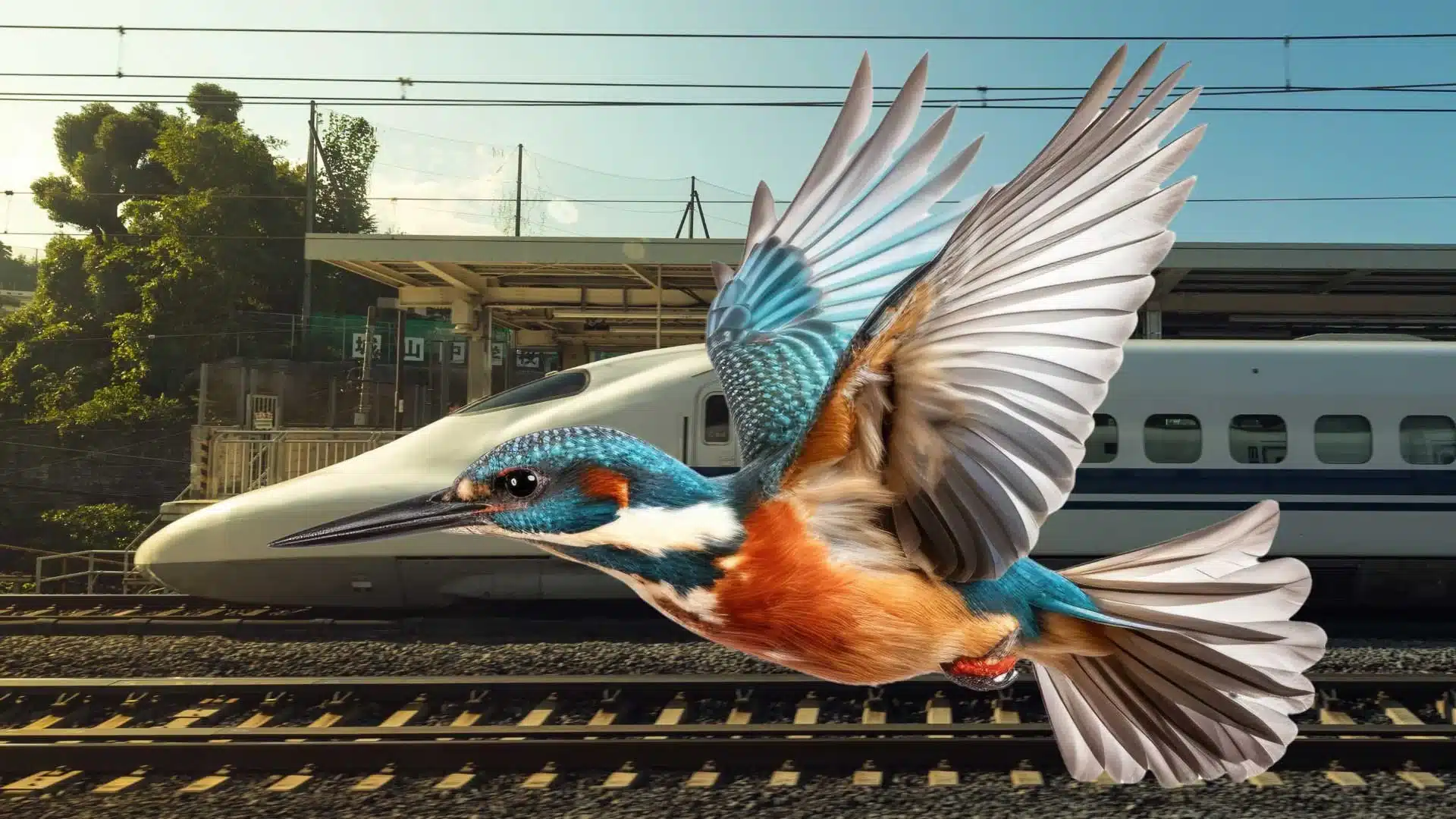
The biomimicry framework operates on three essential levels: mimicking natural forms, replicating biological processes, and understanding ecosystem functions. Each level offers unique insights and applications. Form-based biomimicry might involve copying the shape of a kingfisher’s beak to design quieter bullet trains. Process biomimicry could mean learning from photosynthesis to develop better solar cells. Ecosystem-level biomimicry examines relationships and cycles to create circular economy models.
Anúncios
🦅 Revolutionary Examples From Nature’s Design Studio
Some of history’s most celebrated innovations drew inspiration from biological systems. The Wright brothers studied bird flight mechanics before achieving powered flight. George de Mestral invented Velcro after examining burrs stuck to his dog’s fur under a microscope. These weren’t accidents—they represented systematic observation and application of natural principles.
Modern biomimicry has produced equally impressive results. Japanese engineers redesigned the Shinkansen bullet train’s nose based on the kingfisher’s streamlined beak, reducing noise pollution by 30% while increasing speed and energy efficiency. The bird’s ability to dive into water with minimal splash translated perfectly to trains entering tunnels without creating disruptive sonic booms.
Architects worldwide now incorporate termite mound ventilation systems into building designs. The Eastgate Centre in Harare, Zimbabwe, maintains comfortable temperatures without conventional air conditioning by mimicking how termites regulate temperature in their towering structures. This biomimetic approach reduced energy consumption by over 90% compared to similar buildings.
Material Science Breakthroughs Inspired by Biology
Spider silk’s remarkable strength-to-weight ratio has inspired development of synthetic fibers that could revolutionize everything from medical sutures to protective armor. Researchers have successfully replicated the molecular structure of spider dragline silk, creating materials five times stronger than steel yet incredibly flexible and biodegradable.
The self-cleaning properties of lotus leaves led to development of superhydrophobic coatings. Water droplets roll off these surfaces, carrying dirt and contaminants with them. This “lotus effect” now appears in paints, textiles, and building materials that stay cleaner longer without harsh chemicals.
Sharkskin’s microscopic texture reduces drag and prevents bacterial growth. Swimsuit manufacturers created record-breaking Olympic swimwear based on this principle, while hospitals now use sharkskin-inspired surfaces to reduce infection rates without antibiotics.
🏗️ Biomimicry in Architecture and Urban Design
Cities represent one of humanity’s greatest design challenges, consuming vast resources while generating enormous waste. Biomimicry offers a pathway toward truly sustainable urban environments by treating cities as ecosystems rather than machines.
The Eden Project in Cornwall features geodesic domes inspired by pollen grains and radiolaria, creating efficient enclosed biomes. These structures use minimal materials while maximizing enclosed space and strength. The hexagonal and pentagonal patterns distribute stress evenly, allowing the domes to span vast areas without internal supports.
Biomimetic facade systems now regulate building temperatures by mimicking how pine cones open and close in response to humidity. These responsive building skins adjust automatically to environmental conditions, dramatically reducing heating and cooling costs while improving occupant comfort.
Water Management Inspired by Natural Systems
Desert beetles collect water from fog using specialized wing surfaces with hydrophilic and hydrophobic zones. Engineers have developed fog-harvesting systems for arid regions based on this principle, providing clean water where traditional sources are scarce or unreliable.
Wetland ecosystems’ natural filtration capabilities inspire constructed wetlands that treat wastewater without chemicals. These systems use plants, microorganisms, and natural processes to purify water while creating valuable habitat and recreational spaces within urban areas.
Mangrove forest structures inform coastal protection designs that dissipate wave energy while supporting biodiversity. Unlike concrete seawalls that often accelerate erosion, biomimetic coastal defenses work with natural processes to protect communities from storm surges and rising seas.
💡 The Biomimicry Design Process: From Observation to Innovation
Successful biomimicry requires disciplined methodology rather than random inspiration. The design process typically follows several key stages that ensure solutions truly embody nature’s principles rather than superficially copying forms.
The first step involves clearly defining the design challenge. What problem needs solving? What functions must the solution perform? What constraints exist? This clarity helps identify relevant biological models. A designer seeking better adhesives might investigate gecko feet, mussel holdfast proteins, or barnacle cement.
Next comes biological research—discovering organisms that have solved similar challenges. This stage requires collaboration between designers and biologists who understand evolutionary adaptations and ecological relationships. The key is identifying functional strategies rather than just interesting shapes.
Translating Biology Into Technology
Abstraction represents the creative heart of biomimicry. How do you translate a biological principle into human technology? A bird’s wing doesn’t directly become an airplane wing—engineers must understand the underlying aerodynamic principles and adapt them to different materials, scales, and contexts.
This translation requires asking deeper questions: What makes this biological solution effective? What principles govern its performance? How might these principles apply to our design challenge? The answers often reveal surprising connections and novel approaches.
Prototyping and testing follow, with continuous reference back to the biological model. Does the design embody the key principles? Does it perform as nature’s solution does? Iteration refines the design, sometimes revealing new insights that send researchers back to study the organism more carefully.
🌊 Biomimicry for Climate Solutions and Regenerative Design
Climate change represents humanity’s most pressing challenge, and biomimicry offers powerful tools for both mitigation and adaptation. Natural systems have weathered dramatic climate shifts throughout Earth’s history, developing resilient strategies we can learn from.
Coral reefs demonstrate how organisms collaborate to build entire ecosystems from simple materials using ambient energy. Researchers are developing carbon-negative building materials inspired by coral’s calcium carbonate production, potentially transforming construction from a major carbon emitter to a carbon sink.
Forest ecosystems show how communities create favorable microclimates through transpiration, shading, and air circulation. Urban planners now use these principles to design green infrastructure that cools cities, manages stormwater, and improves air quality while supporting biodiversity.
Energy Systems Modeled on Natural Processes
Photosynthesis remains nature’s most successful energy technology, converting sunlight to chemical energy with remarkable efficiency while producing oxygen as a byproduct. Artificial photosynthesis research aims to replicate this process for clean fuel production, potentially revolutionizing energy storage and transportation.
Mycelium networks demonstrate distributed resource sharing and communication systems. This inspired decentralized energy grids that share renewable power among communities, increasing resilience while reducing transmission losses and infrastructure costs.
Migration patterns inform renewable energy strategies that account for seasonal variation. Just as birds follow food sources across latitudes, energy systems can shift between solar, wind, and hydroelectric sources as conditions change throughout the year.
🔬 Biomimicry in Medicine and Healthcare Innovation
Medical applications of biomimicry range from drug delivery systems to surgical techniques. Nature’s solutions often prove gentler, more effective, and better integrated with human biology than conventional approaches.
The mosquito’s painless bite inspired needle designs that reduce discomfort during injections. The insect’s proboscis features a serrated structure and numbing compounds that allow penetration without triggering pain receptors. Medical needles incorporating these features cause significantly less tissue damage and patient anxiety.
Bone’s hierarchical structure—strong yet lightweight—guides development of implants that integrate better with existing tissue. Traditional metal implants often fail because they’re too rigid, causing stress on surrounding bone. Biomimetic designs with varied density and porosity encourage bone ingrowth and lasting integration.
Healing and Regeneration Inspired by Nature
Salamanders regenerate entire limbs through sophisticated cellular processes. Understanding these mechanisms could revolutionize treatment of injuries and degenerative diseases. Researchers are identifying key signaling molecules and genetic switches that trigger regeneration, potentially unlocking similar capabilities in humans.
Bacterial biofilms’ communication networks inform strategies for combating antibiotic-resistant infections. Rather than simply killing bacteria, biomimetic approaches disrupt their coordination, preventing them from forming protective communities or developing resistance.
The blood-clotting cascade demonstrates how multiple redundant pathways ensure critical functions succeed even when individual components fail. This principle guides development of robust drug delivery systems and artificial organs with built-in backup mechanisms.
🌱 Implementing Biomimicry: Challenges and Opportunities
Despite its promise, biomimicry faces significant challenges. Biological systems operate at different scales, with different materials, and under different constraints than human technologies. Translation isn’t always straightforward or economically viable with current manufacturing methods.
Many biological materials derive their properties from hierarchical structures impossible to replicate with conventional manufacturing. However, advances in 3D printing, nanotechnology, and synthetic biology are rapidly expanding what’s possible. Technologies that seemed science fiction a decade ago now enable precise biomimetic fabrication.
Intellectual property questions also arise. Can someone patent a design that nature created millions of years ago? Most legal systems allow patents on human innovations inspired by nature, but ethical questions remain about commercializing evolutionary wisdom that belongs to all life.
Building Biomimicry Expertise and Collaboration
Successful biomimicry requires interdisciplinary collaboration between biologists, engineers, designers, and other specialists. Universities increasingly offer biomimicry programs, but integration between disciplines remains challenging due to different vocabularies, methodologies, and institutional structures.
Organizations like the Biomimicry Institute work to bridge these gaps, providing education, connecting practitioners, and maintaining databases of biological strategies. AskNature.org catalogs thousands of nature’s solutions, searchable by function, helping designers find relevant biological models.
Corporate adoption is accelerating as companies recognize biomimicry’s potential for innovation and sustainability. Forward-thinking organizations embed biomimicry in their research and development processes, training teams to think like biologists and consistently ask how nature would solve their challenges.
🚀 The Future of Biomimetic Design and Natural Systems
Biomimicry’s future lies not just in copying individual organisms but in understanding entire ecosystems and evolutionary processes. The next generation of biomimetic design will create technologies that function as integrated systems, regenerating rather than depleting natural capital.
Artificial intelligence and machine learning accelerate biomimicry research by analyzing vast biological datasets to identify patterns and principles. AI can suggest biological models designers might never have considered, revealing unexpected connections between human challenges and natural solutions.
Synthetic biology enables creation of organisms that perform specific functions, blurring lines between mimicking nature and collaborating with it. Living materials that grow, self-heal, and respond to their environment could transform manufacturing from an extractive process to a regenerative one.
From Sustainability to Regeneration
The ultimate goal of biomimicry extends beyond sustainable design—doing less harm—to regenerative design that actively improves ecosystems. Nature doesn’t just sustain itself; it continuously builds soil, cleans air and water, and creates conditions conducive to life. Human systems could do the same.
This shift requires fundamental changes in how we measure success. Rather than optimizing for short-term profit or efficiency, biomimetic systems optimize for long-term resilience, adaptability, and positive ecosystem impact. Economic models are emerging that account for natural capital and ecosystem services, aligning financial incentives with ecological health.
Education plays a crucial role in this transformation. Teaching biomimicry principles to the next generation of designers, engineers, and leaders ensures that learning from nature becomes standard practice rather than exceptional innovation. Children who grow up seeing themselves as part of nature rather than separate from it will create fundamentally different solutions.

🌍 Embracing Nature’s Wisdom for Systemic Change
Biomimicry offers more than isolated innovations—it provides a framework for reimagining humanity’s relationship with the natural world. By recognizing nature as mentor rather than resource, we open possibilities for truly sustainable civilization that enhances rather than degrades the ecosystems supporting all life.
The challenges facing our world—climate change, resource depletion, pollution, biodiversity loss—demand solutions as sophisticated as the problems themselves. Nature has already solved these challenges through billions of years of research and development. Our task is learning to read nature’s blueprint and apply its wisdom to create systems that work with natural processes rather than against them.
Every organism, ecosystem, and evolutionary adaptation represents a potential solution waiting to be discovered. As we deepen our understanding of biology and improve our ability to translate natural principles into human technology, biomimicry’s impact will only grow. The future of innovation lies not in conquering nature but in learning from it, creating a world where human systems and natural systems thrive together in regenerative harmony.
