
Anúncios
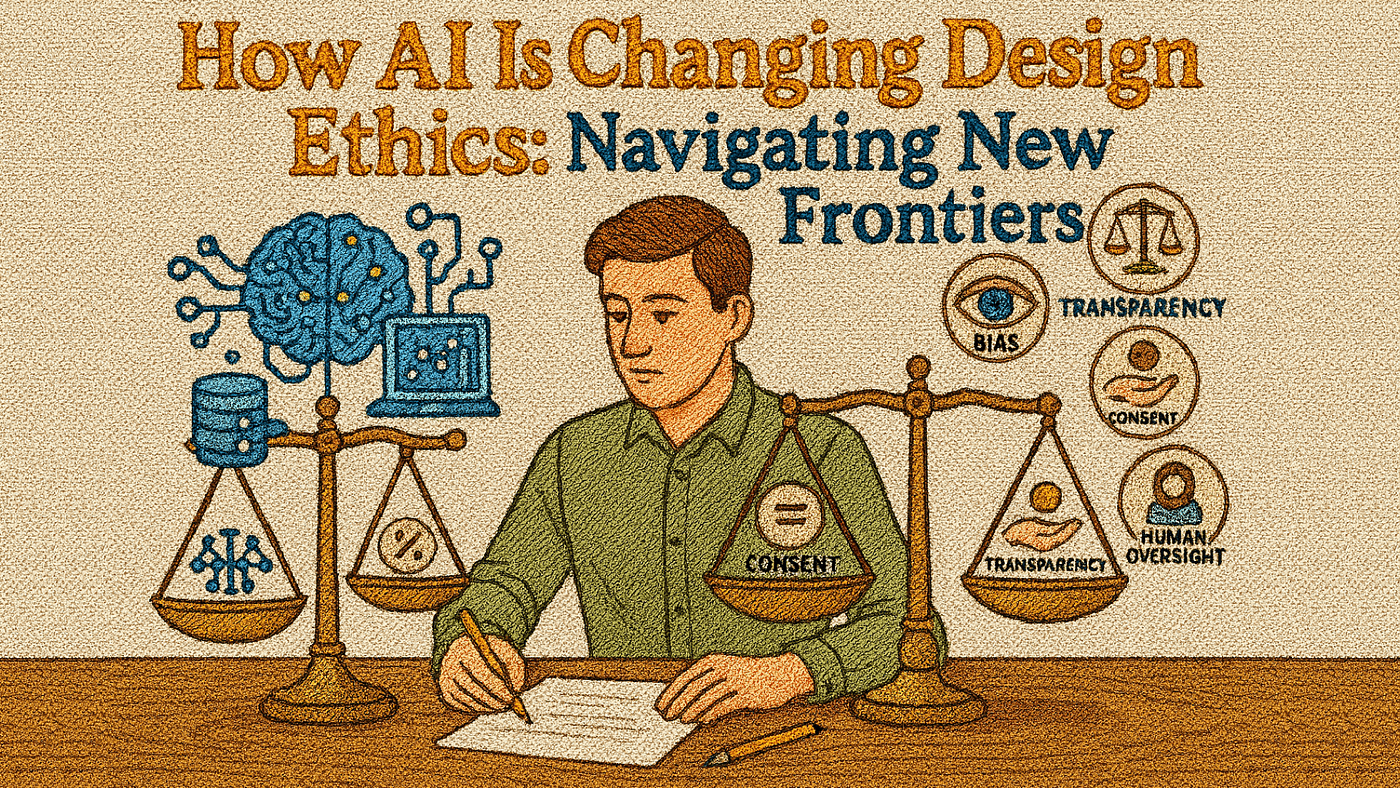
The intersection of artificial intelligence and design has created unprecedented opportunities and challenges, demanding a thoughtful approach to ethics that protects users while fostering progress.
🤖 The New Frontier: Where AI Meets Design Responsibility
Artificial intelligence has fundamentally transformed how we approach design, creating systems that learn, adapt, and make decisions that impact millions of lives daily. From recommendation algorithms that shape our media consumption to automated decision-making systems that determine creditworthiness, AI-powered design touches nearly every aspect of modern life. This pervasive influence brings with it a profound responsibility that designers, developers, and organizations cannot afford to ignore.
Anúncios
The rapid acceleration of AI capabilities has outpaced our ethical frameworks, leaving many professionals navigating uncharted territory. Traditional design principles focused primarily on usability, aesthetics, and functionality. Today’s designers must also consider algorithmic bias, data privacy, transparency, and the long-term societal implications of their work. This expanded responsibility requires a fundamental shift in how we conceptualize and practice design in the digital age.
The challenge lies not in choosing between innovation and ethics, but in weaving both threads together into a coherent approach that serves humanity’s best interests. Organizations that successfully balance these considerations will not only avoid regulatory pitfalls and reputational damage but will also build trust with users, creating sustainable competitive advantages in an increasingly conscious marketplace.
Anúncios
Understanding the Ethical Landscape of AI-Driven Design
The ethical dimensions of AI design extend far beyond simple compliance with regulations. They encompass fundamental questions about human dignity, autonomy, fairness, and the kind of society we want to create through technology. When a design decision involves AI, it potentially affects patterns of behavior, access to opportunities, and even how people perceive themselves and others.
One of the most pressing concerns in AI ethics is algorithmic bias. Machine learning systems learn from historical data, which often contains embedded prejudices and inequalities. When these biased patterns are encoded into AI systems, they can perpetuate and amplify discrimination at scale. Facial recognition systems that perform poorly on darker skin tones, hiring algorithms that favor certain demographics, and credit scoring systems that disadvantage specific communities all demonstrate how technical design choices have profound social consequences.
Privacy represents another critical ethical dimension. AI systems typically require vast amounts of data to function effectively, creating tension between personalization and privacy. Designers must navigate questions about data collection, storage, usage, and user consent. The temptation to gather more data for better AI performance must be balanced against individual rights to privacy and data sovereignty.
The Transparency Challenge 🔍
Many AI systems operate as “black boxes,” making decisions through complex neural networks that even their creators struggle to fully explain. This opacity creates accountability problems when systems make mistakes or produce harmful outcomes. Users affected by AI decisions often have no way to understand why a particular outcome occurred or how to contest it effectively.
Designers face the challenge of creating interfaces and experiences that provide meaningful transparency without overwhelming users with technical complexity. This involves developing new design patterns for explainable AI, creating mechanisms for contestation and redress, and establishing clear lines of human accountability for automated decisions.
Practical Frameworks for Ethical AI Design
Moving from abstract principles to practical implementation requires structured frameworks that guide decision-making throughout the design process. Several approaches have emerged to help organizations navigate these complex considerations systematically and consistently.
The principle of human-centered AI emphasizes keeping human needs, values, and wellbeing at the center of design decisions. This means involving diverse stakeholders in the design process, conducting thorough impact assessments, and maintaining meaningful human oversight of automated systems. It also means designing AI as a tool that augments human capabilities rather than replacing human judgment entirely in critical domains.
Value-sensitive design provides another valuable framework, explicitly incorporating human values into the technical design process from the earliest stages. This approach recognizes that technology is never value-neutral and seeks to consciously embed desired values rather than allowing implicit biases to shape outcomes by default.
Key Principles for Responsible AI Design
- Fairness and Non-discrimination: Actively test for and mitigate bias across different user groups, ensuring equitable outcomes regardless of protected characteristics.
- Transparency and Explainability: Provide users with understandable information about how AI systems work and why specific decisions were made.
- Privacy and Data Protection: Implement strong data governance practices, minimize data collection, and give users meaningful control over their information.
- Accountability and Oversight: Establish clear responsibility for AI system outcomes and maintain appropriate human involvement in high-stakes decisions.
- Safety and Reliability: Rigorously test systems for edge cases, failure modes, and potential misuse before deployment.
- Beneficence: Design with the intention of creating positive value for users and society, not merely avoiding harm.
Building Ethics Into the Design Process
Ethical considerations must be integrated throughout the entire design lifecycle, from initial concept through deployment and ongoing monitoring. Treating ethics as an afterthought or compliance checkbox inevitably leads to systems that fail to adequately address ethical concerns.
During the research and discovery phase, designers should conduct ethical impact assessments that identify potential harms, vulnerable populations, and unintended consequences. This involves asking difficult questions: Who might be disadvantaged by this system? What could go wrong? How might bad actors misuse this technology? What historical inequalities might this system perpetuate?
Diverse, multidisciplinary teams are essential for identifying ethical issues that might not be apparent from a single perspective. Teams that include ethicists, social scientists, community representatives, and people from various demographic backgrounds are better equipped to spot potential problems and develop more inclusive solutions.
Testing and Validation With Ethics in Mind 🧪
Traditional testing focuses on functionality and performance, but ethical testing requires additional methodologies. Fairness testing involves analyzing system outputs across different demographic groups to identify disparate impacts. Adversarial testing explores how malicious users might exploit or manipulate systems. Stress testing examines how systems behave under unusual conditions or with edge cases that might represent vulnerable users.
Real-world pilots and staged rollouts allow organizations to identify ethical issues in context before full deployment. These approaches enable course correction based on actual user experiences and unforeseen consequences that may not have been apparent in controlled testing environments.
The Business Case for Ethical AI Design 💼
While ethical design is imperative from a moral standpoint, it also makes compelling business sense. Organizations that prioritize ethics in AI design build stronger trust with users, reduce regulatory risks, attract and retain top talent, and create more sustainable business models.
Consumer trust has become a critical differentiator in crowded markets. High-profile failures of AI systems—from discriminatory algorithms to privacy breaches—have made users increasingly skeptical of technology companies. Organizations that demonstrably prioritize ethical considerations can differentiate themselves and build loyal customer bases willing to choose them over competitors with questionable practices.
Regulatory environments worldwide are tightening around AI and data practices. The European Union’s AI Act, various data protection regulations, and emerging algorithmic accountability laws create legal obligations that ethical design practices naturally fulfill. Proactive ethical design is far more cost-effective than reactive compliance or dealing with regulatory enforcement actions.
Innovation Enhanced by Ethical Constraints
Contrary to the misconception that ethical considerations constrain innovation, thoughtful ethical frameworks often spur creative solutions. When designers can’t rely on invasive data collection or manipulative patterns, they’re forced to innovate in ways that genuinely serve user needs. Constraints breed creativity, and ethical boundaries push teams toward more elegant, sustainable solutions.
Companies recognized for ethical AI practices also find it easier to attract talented professionals who want their work to have positive impact. In competitive talent markets, an organization’s values and ethical commitments increasingly influence where skilled practitioners choose to work.
Navigating Common Ethical Dilemmas in AI Design
Design teams regularly encounter ethical tensions that don’t have simple resolutions. Understanding common dilemmas and approaches for working through them helps practitioners navigate these challenging situations more effectively.
The personalization-privacy trade-off represents a classic dilemma. Users often want personalized experiences that anticipate their needs, but delivering such experiences typically requires extensive data collection and analysis. Ethical designers must find the sweet spot that provides value without exploitation, often through techniques like differential privacy, on-device processing, and transparent user controls.
Automation versus human judgment creates another recurring tension. AI can process information faster and more consistently than humans, but lacks contextual understanding, empathy, and moral reasoning. Determining which decisions can be safely automated and which require human involvement demands careful analysis of stakes, context, and consequences.
Managing Unintended Consequences ⚠️
Even well-intentioned designs can produce harmful outcomes when deployed at scale or used in ways designers didn’t anticipate. Social media recommendation algorithms designed to increase engagement inadvertently created filter bubbles and amplified misinformation. Dating app algorithms optimized for matches sometimes reinforced discriminatory preferences.
Addressing unintended consequences requires humility, ongoing monitoring, and willingness to make difficult changes even after deployment. It also means creating feedback mechanisms that allow affected users to report problems and establishing processes for rapid response when issues emerge.
Tools and Methodologies for Ethical AI Design
The field of ethical AI has produced various practical tools and methodologies that design teams can incorporate into their workflows. These resources help translate abstract principles into concrete practices and decisions.
Ethical frameworks and checklists provide structured approaches for evaluating design decisions. Tools like the Ethical OS toolkit, Microsoft’s AI Fairness Checklist, and Google’s PAIR Guidebook offer prompts and questions that help teams identify ethical considerations they might otherwise overlook.
Bias testing tools enable teams to quantitatively assess whether their AI systems produce disparate outcomes across different groups. These tools analyze system outputs for statistical differences that might indicate discriminatory patterns, allowing teams to identify and address problems before deployment.
Participatory Design Approaches 👥
Involving affected communities in the design process helps ensure that systems serve their actual needs and respect their values. Participatory design workshops, user advisory boards, and community partnerships bring diverse perspectives into the design process early enough to meaningfully influence outcomes.
Impact assessments, adapted from environmental and human rights contexts, help organizations systematically evaluate the potential consequences of AI systems. These assessments examine effects on different stakeholder groups, identifying risks and mitigation strategies before deployment.
Creating Organizational Culture That Supports Ethical Design
Individual designers committed to ethics can only accomplish so much within organizations that don’t support and reinforce ethical practices. Creating systemic change requires building organizational culture, structures, and incentives that prioritize responsible AI development.
Leadership commitment is foundational. When executives publicly champion ethical design, allocate resources to support it, and hold teams accountable for ethical outcomes, these priorities permeate organizational culture. Conversely, when leaders treat ethics as window dressing while rewarding growth at any cost, employees quickly learn what actually matters.
Clear ethical guidelines and governance structures provide teams with frameworks for decision-making. AI ethics boards, review processes for high-risk systems, and documented principles give practitioners guidance and support when facing difficult trade-offs. These structures also create accountability mechanisms that ensure ethical considerations aren’t sacrificed under pressure for rapid delivery.
Education and Capacity Building 📚
Many designers and developers received training that didn’t emphasize ethical considerations in technology design. Organizations must invest in ongoing education that builds capacity for ethical reasoning and practice. This includes technical training on bias detection and mitigation, workshops on ethical frameworks, and exposure to diverse perspectives on technology’s social impacts.
Cross-functional collaboration brings together technical practitioners with ethicists, social scientists, policy experts, and community representatives. These diverse perspectives help teams see beyond technical constraints to understand broader implications and possibilities.
Looking Forward: Evolving Ethics for Emerging Technologies
As AI capabilities continue advancing rapidly, new ethical challenges will inevitably emerge. Large language models, generative AI, autonomous systems, and other developing technologies present novel dilemmas that will require ongoing ethical reflection and adaptation.
The rise of generative AI, for instance, raises questions about authenticity, attribution, and the nature of creativity itself. When AI systems can generate convincing text, images, and videos, how do we maintain trust in information? How do we credit and compensate human creators whose work trained these systems? What responsibility do designers bear for how generated content is used?
Autonomous systems that make real-time decisions in physical environments—from delivery robots to autonomous vehicles—present heightened ethical stakes. The margin for error shrinks dramatically when systems operate in the physical world where mistakes can cause injury or death. Designers of such systems bear enormous responsibility for safety and reliability.

The Path Forward: Integration Over Opposition 🌟
The future of technology depends on our ability to harness AI’s tremendous potential while safeguarding human values and wellbeing. This isn’t about slowing innovation or imposing burdensome restrictions, but about directing innovation toward genuinely beneficial outcomes through thoughtful, ethical design practices.
Designers stand at the intersection of technology and humanity, translating technical capabilities into experiences that shape how billions of people live, work, and relate to each other. This position comes with profound responsibility but also tremendous opportunity to influence technology’s trajectory toward more equitable, sustainable, and human-centered futures.
Success requires ongoing commitment, humility, and willingness to prioritize ethics even when convenient shortcuts beckon. It means building diverse teams, establishing robust processes, staying educated about emerging issues, and maintaining the moral courage to speak up when designs threaten harm. Organizations that embrace this challenge won’t just avoid ethical pitfalls—they’ll create the trustworthy, impactful technologies that define the next era of innovation.
Balancing innovation and responsibility in AI design isn’t a problem to be solved once and forgotten, but an ongoing practice that evolves with technology and society. By embedding ethics into our design DNA from the start, we create systems that don’t just work well technically, but serve humanity’s highest aspirations.
