Anúncios
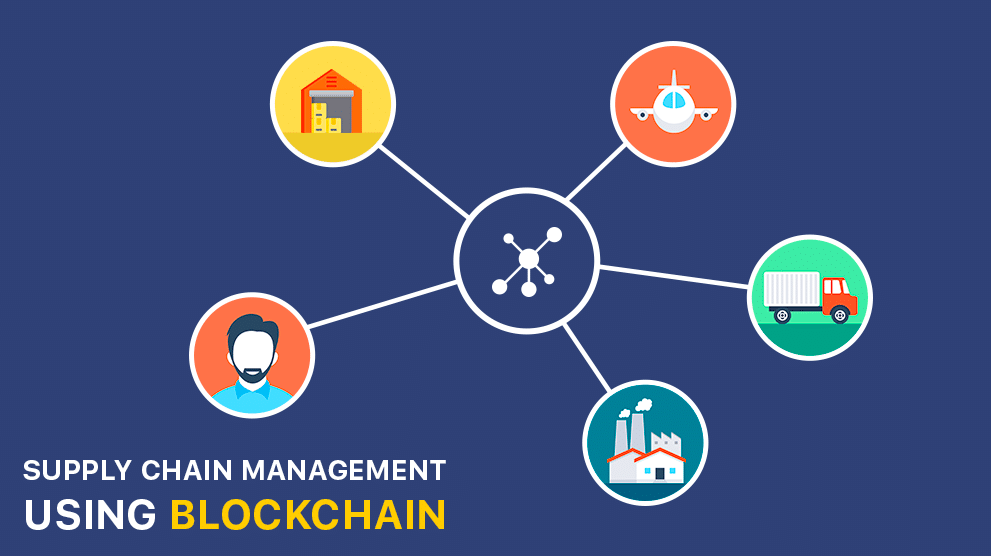
Blockchain technology is reshaping how businesses demonstrate ethical practices, bringing unprecedented transparency and accountability to global supply chains in ways previously thought impossible.
🔗 The Trust Crisis in Modern Supply Chains
Today’s global supply chains are incredibly complex, spanning multiple countries, suppliers, and intermediaries. Consumers increasingly demand to know where their products come from, how they’re made, and whether ethical standards were maintained throughout production. Yet traditional supply chain systems often operate as black boxes, making it nearly impossible to verify claims about sustainability, fair labor practices, or product authenticity.
Anúncios
The fashion industry provides a striking example. A single t-shirt might involve cotton farmers in India, textile manufacturers in Bangladesh, dye suppliers in China, and distribution centers across multiple continents. When brands claim their products are “ethically sourced,” consumers have little ability to verify these assertions. This information asymmetry has enabled questionable practices to flourish in shadows.
Recent scandals have highlighted the urgent need for better systems. From forced labor in cotton production to environmental disasters caused by irresponsible manufacturing, the consequences of opaque supply chains extend far beyond disappointed consumers. They represent fundamental ethical failures that demand technological solutions capable of creating immutable, verifiable records.
Anúncios
Understanding Blockchain’s Revolutionary Potential
Blockchain technology offers a distributed ledger system where information is recorded across multiple computers simultaneously, creating records that cannot be altered retroactively without consensus from the network. This fundamental characteristic makes blockchain uniquely suited to address supply chain transparency challenges.
Unlike traditional databases controlled by single entities, blockchain creates a shared source of truth accessible to all authorized participants. Each transaction or movement of goods creates a new “block” of data, cryptographically linked to previous blocks, forming an unbreakable chain of custody from origin to final destination.
Key Features Driving Supply Chain Transformation
Several blockchain characteristics make it particularly powerful for ethical supply chain management:
- Immutability: Once recorded, data cannot be changed or deleted, preventing falsification of records
- Transparency: Authorized parties can view the entire history of a product’s journey
- Decentralization: No single entity controls the information, reducing manipulation risks
- Smart contracts: Automated agreements that execute when predetermined conditions are met
- Real-time tracking: Instant visibility into product location and status throughout the supply chain
These features combine to create systems where ethical claims can be verified rather than simply trusted. When a coffee company claims its beans are fair trade, blockchain enables consumers to trace those specific beans back to the farmer who grew them, viewing certifications and payment records along the way.
🌍 Real-World Applications Transforming Industries
The theoretical promise of blockchain is already materializing into practical applications across diverse industries. Companies worldwide are implementing blockchain solutions to demonstrate their commitment to ethical practices while simultaneously improving operational efficiency.
Food Safety and Agricultural Transparency
Walmart partnered with IBM to implement blockchain tracking for leafy greens and other produce. When contamination occurs, this system can trace affected products back to their source in seconds rather than days or weeks. This capability not only protects consumers but also prevents unnecessary waste by identifying specific batches rather than recalling entire product categories.
In the coffee industry, blockchain initiatives allow consumers to scan QR codes on packages and view detailed information about the beans inside. They can see which farm grew the coffee, when it was harvested, certifications obtained, prices paid to farmers, and environmental practices employed. This transparency empowers consumers to support ethical producers while holding brands accountable for their sourcing claims.
Combating Conflict Minerals and Unethical Mining
The diamond and precious metals industries have long struggled with ethical sourcing challenges. Conflict diamonds, mined in war zones and sold to finance armed conflict, have plagued the industry despite certification schemes. Blockchain-based systems now track diamonds from mine to retail, creating verifiable chains of custody that make it significantly harder to introduce conflict stones into legitimate supply chains.
De Beers launched Tracr, a blockchain platform tracking diamonds throughout their journey. Each stone receives a digital identity recorded on the blockchain, documenting its characteristics and provenance. This system provides assurance to consumers while protecting the industry’s reputation and supporting legitimate mining operations.
Fashion Industry Revolution
Fast fashion’s environmental and social costs have come under increasing scrutiny. Blockchain offers fashion brands opportunities to demonstrate genuine commitment to sustainability and ethical labor practices rather than merely engaging in greenwashing.
Several fashion companies now use blockchain to track garments from raw material sourcing through manufacturing, shipping, and retail. Consumers can verify whether cotton was organically grown, whether workers received fair wages, and whether manufacturing processes met environmental standards. This transparency differentiates truly ethical brands from those making empty claims.
💡 Smart Contracts: Automating Ethical Compliance
Smart contracts represent one of blockchain’s most transformative features for supply chain ethics. These self-executing programs automatically enforce predetermined rules, ensuring ethical standards are maintained without requiring constant human oversight.
Consider a clothing manufacturer committed to paying suppliers within 30 days of delivery. A smart contract can automatically release payment when delivery is confirmed on the blockchain, eliminating payment delays that often harm smaller suppliers. If quality standards aren’t met, the contract can withhold payment or trigger dispute resolution protocols.
In agricultural supply chains, smart contracts can ensure fair trade premiums reach farmers directly. When coffee beans meeting certification criteria arrive at processing facilities, smart contracts automatically transfer premium payments to farmer cooperatives, eliminating intermediaries who might otherwise capture these funds.
Enforcing Labor Standards Through Technology
Labor rights violations often persist because monitoring is difficult and documentation easily falsified. Blockchain combined with IoT sensors and biometric systems creates robust labor monitoring frameworks. Workers can clock in and out using biometric verification recorded on blockchain, creating tamper-proof records of working hours.
Smart contracts can flag potential violations, such as excessive overtime or inadequate rest periods, triggering automatic alerts to compliance teams. This technology doesn’t replace human oversight but significantly enhances monitoring capabilities, making violations harder to hide.
🚧 Challenges and Limitations to Consider
Despite its promise, blockchain implementation in supply chains faces significant challenges that must be acknowledged and addressed for widespread adoption to occur.
The Garbage In, Garbage Out Problem
Blockchain ensures data immutability but cannot guarantee initial data accuracy. If false information enters the system at the origin point, it remains permanently recorded as false information. A farmer claiming organic certification when none exists creates an immutable record of a lie rather than truth.
Solving this requires combining blockchain with robust verification mechanisms at entry points. Third-party auditors, IoT sensors, and other verification technologies must work alongside blockchain to ensure information integrity from the start.
Technology Access and Digital Divides
Many supply chains involve small producers in developing regions with limited technology access. Requiring smartphone apps or computer systems for blockchain participation could exclude the very stakeholders who need protection most. Implementation must consider these realities, potentially providing technology resources or designing systems accessible through simple SMS interfaces.
Scalability and Cost Considerations
Recording every transaction on blockchain networks can become expensive and slow, particularly for high-volume supply chains. Solutions include using private or consortium blockchains rather than public networks, or hybrid approaches where only critical checkpoints are recorded on blockchain while detailed records exist in traditional databases.
Privacy Versus Transparency Balance
Complete transparency isn’t always desirable. Companies have legitimate competitive interests in protecting certain supply chain information. Farmers may not want personal financial details publicly accessible. Blockchain implementations must incorporate privacy features allowing selective disclosure, where stakeholders can verify relevant information without exposing everything.
🔮 The Future Landscape of Ethical Supply Chains
As blockchain technology matures and adoption increases, we’re likely to see fundamental shifts in how supply chains operate and how businesses demonstrate ethical commitments.
Consumer Empowerment Through Information
Future consumers will likely expect product-level traceability as standard rather than exception. Scanning a product might reveal its complete journey, enabling purchasing decisions based on verified ethical practices rather than marketing claims. This shift will reward genuinely ethical businesses while making it increasingly difficult for unethical actors to compete.
Regulatory Integration and Compliance
Governments are beginning to recognize blockchain’s potential for regulatory compliance and enforcement. Future regulations may require blockchain-based tracking for certain products or industries, particularly those with significant ethical or safety concerns. This integration could streamline compliance while reducing regulatory costs.
The European Union’s proposed regulations around sustainability reporting and supply chain due diligence could accelerate blockchain adoption by creating frameworks where blockchain documentation satisfies regulatory requirements more efficiently than traditional methods.
Interoperability and Industry Standards
Currently, multiple blockchain platforms and standards exist, often incompatible with each other. Future development will likely focus on interoperability, allowing different blockchain systems to communicate and share data. Industry consortiums are already working on common standards enabling seamless information flow across platforms.
📊 Measuring Impact: Beyond Technology to Outcomes
Technology implementation should ultimately improve outcomes for workers, communities, and environments. Measuring blockchain’s ethical impact requires looking beyond adoption metrics to real-world effects.
Early evidence suggests positive impacts. Farmers in blockchain-tracked supply chains report receiving payments faster and more reliably. Manufacturers face increased pressure to maintain standards when transparency makes violations visible. Consumers express greater trust in brands providing verifiable ethical information.
However, technology alone cannot solve deeply rooted structural problems. Blockchain enhances visibility and accountability but must accompany broader efforts addressing power imbalances, economic inequities, and systemic exploitation in global trade.
🌟 Building Truly Ethical Supply Chains
Blockchain represents a powerful tool for transforming supply chain ethics, but successful implementation requires thoughtful approaches considering technology limitations, stakeholder needs, and broader ethical contexts.
Companies implementing blockchain solutions should prioritize inclusive design, ensuring systems benefit all stakeholders rather than merely providing marketing advantages. This means investing in technology access for small suppliers, designing user-friendly interfaces, and creating governance structures giving voice to traditionally marginalized supply chain participants.
Transparency without action is meaningless. Discovering ethical violations through blockchain tracking must trigger concrete responses addressing root causes rather than simply shifting sourcing elsewhere. True ethical transformation requires commitment to continuous improvement and willingness to invest in better practices.
The Path Forward: Technology Meets Human Values
Blockchain technology is fundamentally changing what’s possible in supply chain transparency and accountability. By creating immutable, accessible records of product journeys, it enables verification of ethical claims that previously required blind trust. Smart contracts automate compliance, reducing opportunities for violations while streamlining operations.
Yet technology alone cannot create ethical supply chains. Blockchain provides infrastructure for transparency, but humans must decide what standards matter, how to verify compliance, and what actions to take when violations occur. The most successful implementations will combine technological capabilities with genuine ethical commitments, stakeholder engagement, and willingness to address uncomfortable truths that transparency reveals.
As adoption expands and technology matures, blockchain-enabled transparency may become table stakes rather than competitive advantage. This shift would represent profound progress, creating baseline expectations that supply chains operate ethically with verifiable evidence rather than unsubstantiated claims. The revolution isn’t just technological but cultural, changing relationships between businesses, suppliers, workers, and consumers toward greater accountability and shared responsibility.
The journey toward truly ethical supply chains remains long and complex, but blockchain technology provides unprecedented tools for this essential work. By embracing these capabilities while maintaining focus on human outcomes, we can build supply chains that not only track products efficiently but genuinely uphold the values of fairness, sustainability, and dignity for all participants.
