
Anúncios
The design industry stands at a crucial crossroads where creativity meets environmental responsibility, demanding innovative approaches to material selection and sustainable practices.
🌱 The Evolution of Sustainable Design Thinking
Sustainable design has transformed from a niche concern into a fundamental principle shaping the future of creative industries. Today’s designers recognize that every material choice carries environmental consequences that extend far beyond the finished product. This awareness has sparked a revolution in how we approach design, manufacturing, and consumption.
Anúncios
The shift toward eco-conscious design isn’t merely a trend—it’s a necessary response to climate change, resource depletion, and environmental degradation. Designers now serve as gatekeepers who determine whether products contribute to environmental problems or become part of the solution. This responsibility requires deep knowledge of materials, production processes, and their long-term ecological impacts.
Modern sustainable design embraces circular economy principles, where materials are selected based on their ability to be reused, recycled, or safely returned to nature. This approach challenges traditional linear models of production and consumption, creating systems where waste becomes a design flaw rather than an inevitable outcome.
Anúncios
Understanding Material Lifecycles and Environmental Impact
Every material tells a story that begins long before it reaches a designer’s hands and continues long after a product’s useful life ends. Understanding these lifecycles is essential for making truly sustainable choices. The environmental impact of materials encompasses extraction, processing, transportation, use, and end-of-life scenarios.
Raw material extraction often represents the most environmentally damaging phase, involving habitat destruction, water pollution, and significant energy consumption. Processing and manufacturing add layers of environmental cost through chemical treatments, energy-intensive transformations, and waste generation. Transportation further compounds these impacts, particularly for materials sourced from distant locations.
The use phase varies dramatically depending on material properties and product function. Some materials off-gas harmful chemicals, while others provide excellent durability that extends product lifespan. End-of-life considerations determine whether materials can be recycled, composted, or must languish in landfills for centuries. Eco-conscious designers must evaluate all these factors when selecting materials.
Measuring Environmental Footprints
Life Cycle Assessment (LCA) provides a standardized methodology for quantifying environmental impacts across a material’s entire existence. This scientific approach measures factors including carbon emissions, water usage, energy consumption, and ecological toxicity. While comprehensive LCAs require specialized expertise, designers can access simplified tools and databases that provide comparative environmental data.
Carbon footprint calculations have become increasingly important as climate change intensifies. Materials with lower embodied energy—the total energy required for extraction, processing, and manufacturing—generally offer superior environmental profiles. However, designers must balance carbon considerations with other factors like durability, recyclability, and local availability.
🌿 Natural and Bio-Based Materials Leading the Way
Nature provides an astonishing array of materials that offer sustainable alternatives to conventional options. These bio-based materials often feature renewable origins, biodegradability, and lower environmental impacts. However, not all natural materials automatically qualify as sustainable—production methods and sourcing practices critically influence their environmental credentials.
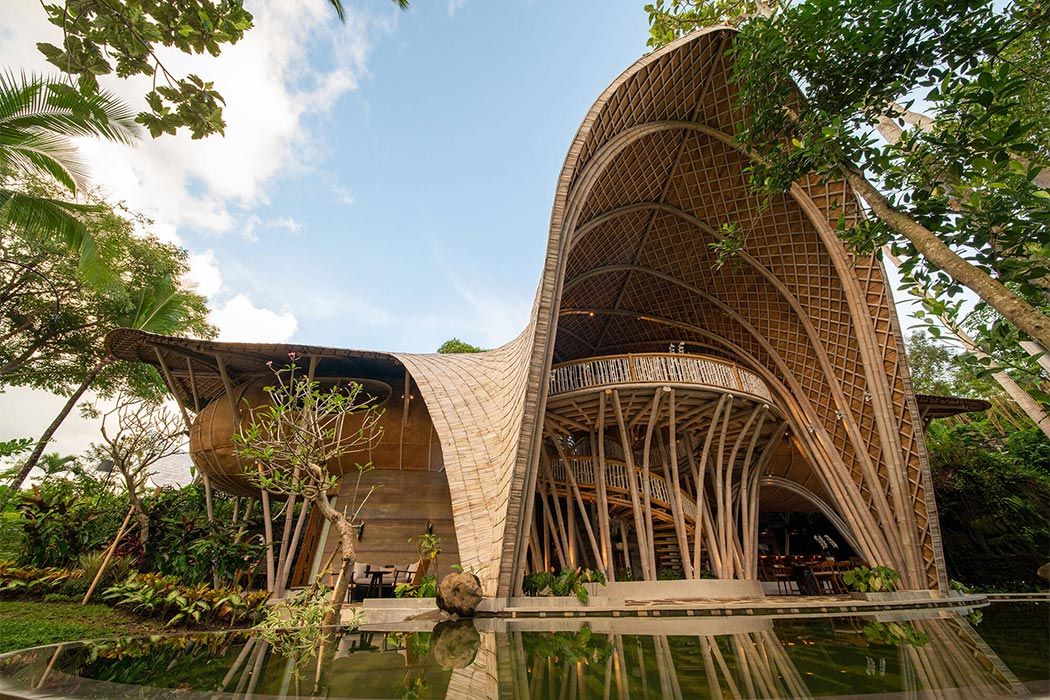
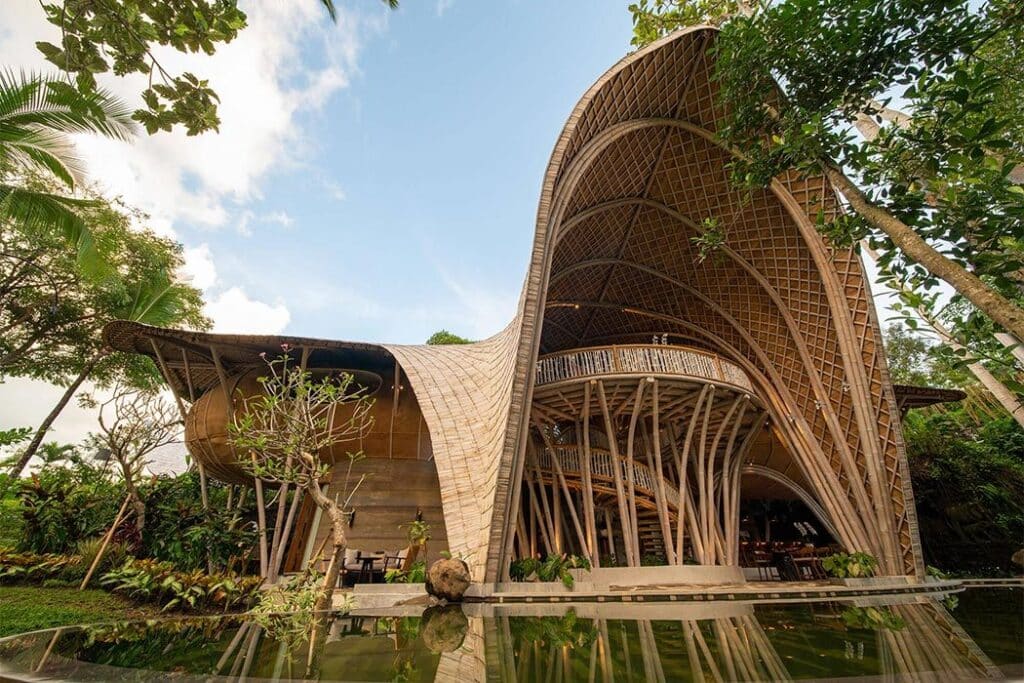
Bamboo has emerged as a superstar among sustainable materials, growing rapidly without pesticides or fertilizers while sequestering impressive amounts of carbon. Its versatility spans furniture, flooring, textiles, and structural applications. However, designers must ensure bamboo sources from responsibly managed forests rather than monoculture plantations that displace native ecosystems.
Cork represents another remarkable renewable material, harvested from cork oak bark without harming trees. This practice actually extends tree lifespans while preserving Mediterranean cork forests that support unique biodiversity. Cork’s natural properties include thermal insulation, water resistance, and shock absorption, making it valuable for diverse design applications from flooring to fashion accessories.
Innovative Plant-Based Alternatives
Recent years have witnessed explosive innovation in plant-based materials that mimic traditional options while offering superior sustainability. Mycelium—the root structure of mushrooms—can be grown into specific shapes, creating packaging, insulation, and even leather alternatives. This material grows in days, requires minimal resources, and completely biodegrades after use.
Agricultural waste has been transformed into valuable design materials through innovative processing. Wheat straw, rice husks, and corn stalks—previously burned or discarded—now create biodegradable plastics, composite boards, and packaging materials. These applications divert waste from landfills while reducing demand for virgin materials.
Algae-based materials represent frontier innovations with enormous potential. Fast-growing algae can produce bioplastics, foams, textiles, and even construction materials while absorbing carbon dioxide. Some algae materials offer complete biodegradability and can be grown using wastewater or brackish water unsuitable for agriculture.
Recycled and Upcycled Materials Closing the Loop
The circular economy depends on effectively recovering and reusing materials that would otherwise become waste. Recycled materials prevent environmental damage from both virgin material extraction and landfill disposal. However, recycling processes themselves carry environmental costs that designers must understand and minimize.
Post-consumer recycled materials come from products that have completed their useful lives, diverted from waste streams through collection and processing systems. These materials demonstrate true circularity by keeping resources in productive use. Common examples include recycled plastics, metals, glass, and paper products widely available to designers.
Pre-consumer or post-industrial recycled materials consist of manufacturing scraps and defects that never reach consumers. While valuable for reducing waste, these materials don’t address the challenge of managing products at end-of-life. Designers should prioritize post-consumer content when possible to support comprehensive recycling infrastructure.
Creative Upcycling Approaches
Upcycling transforms waste materials into products of higher value or quality than the originals, contrasting with traditional recycling that often degrades material quality. This creative approach challenges designers to see potential in discarded items, turning trash into treasure through imaginative reuse.
Ocean plastics recovery initiatives collect plastic waste from marine environments, processing it into materials for furniture, fashion, and consumer products. These efforts address the urgent crisis of ocean pollution while creating compelling narratives that resonate with environmentally conscious consumers. Designers working with ocean plastics contribute to cleanup efforts while producing meaningful products.
Industrial byproducts and waste streams offer rich opportunities for upcycling. Discarded fishing nets become durable yarn for carpets and apparel. Retired fire hoses transform into fashion accessories. Coffee grounds morph into biofuels and composite materials. Each application prevents waste while reducing demand for virgin materials.
⚡ Advanced Sustainable Synthetics and Innovations
Not all synthetic materials deserve environmental condemnation. Advanced technologies have produced synthetic materials with impressive sustainability credentials that sometimes surpass natural alternatives. These innovations demonstrate that science and sustainability can work together to create superior solutions.
Bio-plastics derived from plant sources offer alternatives to petroleum-based plastics, though not all bio-plastics are created equal. Polylactic acid (PLA) from corn starch provides compostable options for packaging and consumer goods. However, designers must ensure proper disposal infrastructure exists, as PLA requires industrial composting facilities that remain scarce in many regions.
Recycled synthetic materials have achieved remarkable quality improvements, with recycled polyester and nylon now matching virgin material performance. These materials divert plastic bottles and fishing nets from landfills and oceans while requiring significantly less energy than virgin production. Fashion and sportswear industries have embraced these materials, proving that sustainability needn’t compromise performance.
Smart Materials and Future Technologies
Emerging technologies promise revolutionary sustainable materials that self-heal, adapt to environmental conditions, or generate energy. Self-healing concrete incorporates bacteria that produce limestone, automatically repairing cracks and extending infrastructure lifespan. Phase-change materials absorb and release heat, reducing building energy consumption.
Graphene and other nanomaterials offer extraordinary strength-to-weight ratios, potentially revolutionizing product efficiency and durability. However, the environmental implications of nanomaterial production and disposal remain subjects of ongoing research. Designers must approach these innovations with careful consideration of both benefits and potential risks.
🏗️ Sustainable Materials Across Design Disciplines
Different design disciplines face unique challenges and opportunities in material selection. Understanding sector-specific considerations helps designers make informed choices that balance aesthetic, functional, and environmental requirements.
Architecture and Interior Design
Building and construction consume vast quantities of materials with profound environmental impacts. Sustainable architecture prioritizes locally sourced materials that reduce transportation emissions while supporting regional economies. Reclaimed wood, recycled steel, and natural stone from nearby quarries minimize environmental footprints while creating authentic connections to place.
Mass timber construction using cross-laminated timber (CLT) and similar engineered wood products sequesters carbon while replacing concrete and steel—two of the most carbon-intensive materials. These systems enable tall wood buildings that challenge conventional construction paradigms while demonstrating timber’s structural capabilities.
Natural insulation materials including sheep’s wool, hemp, cellulose, and cork provide excellent thermal performance without the health and environmental concerns associated with conventional fiberglass and foam insulations. These materials regulate humidity, improve indoor air quality, and safely biodegrade at end-of-life.
Product and Industrial Design
Product designers balance durability, aesthetics, functionality, and sustainability in compact objects that consumers interact with daily. Material choices dramatically influence product lifespan, repairability, and end-of-life outcomes. Modular design approaches facilitate repair and component replacement, extending product life while reducing waste.
Design for disassembly ensures products can be easily taken apart, separating materials for recycling or reuse. This approach requires careful consideration of fasteners, adhesives, and material combinations that either facilitate or frustrate end-of-life processing. Mono-material products simplify recycling but may compromise performance compared to multi-material alternatives.
Fashion and Textile Design
The fashion industry’s environmental impact has sparked urgent calls for sustainable material alternatives. Organic cotton, hemp, linen, and peace silk offer renewable options free from harmful pesticides and chemicals. Innovative materials including pineapple leather, mushroom leather, and lab-grown silk provide animal-product alternatives with compelling sustainability stories.
Textile recycling technologies have advanced significantly, with mechanical and chemical recycling methods recovering fibers from post-consumer garments. Closed-loop systems pioneered by innovative companies demonstrate that clothing can be designed for continuous recycling, creating truly circular fashion systems.
🔍 Evaluating and Certifying Sustainable Materials
Third-party certifications help designers navigate sustainability claims and identify genuinely responsible materials. These certifications establish standards, verify compliance, and provide transparency throughout supply chains. However, designers must understand what different certifications measure and their relative rigor.
Forest Stewardship Council (FSC) certification ensures wood and paper products come from responsibly managed forests that preserve biodiversity, protect indigenous rights, and maintain ecological functions. FSC certification provides reliable assurance for timber, bamboo, cork, and paper products, though designers should prioritize FSC 100% over mixed-source options.
Cradle to Cradle certification evaluates products across multiple dimensions including material health, material reutilization, renewable energy use, water stewardship, and social fairness. This comprehensive approach identifies products designed for circularity and continuous material cycling, representing leading-edge sustainable design practices.
Understanding Green Labels
LEED certification for building materials, OEKO-TEX standards for textiles, and Energy Star ratings for appliances provide sector-specific sustainability verification. Global Organic Textile Standard (GOTS) certifies organic fibers throughout textile supply chains, ensuring both environmental and social responsibility.
Designers should approach environmental claims critically, recognizing that greenwashing remains prevalent. Vague terms like “eco-friendly” or “natural” lack standardized definitions and meaningful verification. Legitimate certifications provide transparent criteria, independent verification, and publicly available documentation that designers can review.
💡 Practical Implementation Strategies for Designers
Transitioning to sustainable materials requires strategic planning, supplier relationships, and sometimes creative problem-solving. Designers can take concrete steps to incorporate eco-conscious materials into their practice regardless of project scale or budget constraints.
Start with material audits that inventory current material use, identifying high-impact materials suitable for sustainable substitution. Prioritize changes that offer maximum environmental benefit with minimal disruption to design quality or production processes. This targeted approach generates momentum while building expertise and supplier relationships.
Develop relationships with suppliers specializing in sustainable materials, attending trade shows, joining professional networks, and participating in sustainability-focused design communities. These connections provide access to emerging materials, technical support, and inspiration from other eco-conscious designers. Collaboration accelerates learning and amplifies impact beyond individual projects.
Balancing Constraints and Opportunities
Budget limitations need not prevent sustainable material choices. Many sustainable options offer competitive pricing, particularly when lifecycle costs including durability and disposal are considered. Local and reclaimed materials often cost less than conventional alternatives while offering unique aesthetic qualities that distinguish designs.
Client education plays a crucial role in sustainable design adoption. Designers must articulate environmental benefits, address misconceptions, and demonstrate that sustainability enhances rather than compromises design excellence. Case studies, material samples, and transparent communication build client confidence in sustainable approaches.
🌍 The Bigger Picture: Design as Environmental Leadership
Sustainable material selection represents just one element of comprehensive environmental design strategy. Truly eco-conscious designers consider energy efficiency, water conservation, durability, repairability, and social equity alongside material choices. This holistic perspective ensures that individual sustainable decisions contribute to systemic change.
Designers possess unique power to influence consumption patterns, manufacturing practices, and cultural attitudes toward sustainability. By normalizing eco-conscious materials and demonstrating their aesthetic and functional excellence, designers shift market expectations and accelerate broader adoption. Each sustainable project becomes a demonstration of possibility that inspires others.
The transition toward sustainable design extends beyond environmental benefits to encompass social responsibility and economic viability. Fair labor practices, community development, and equitable resource access represent integral components of truly sustainable systems. Designers must advocate for materials that honor both planet and people.
Embracing Continuous Learning and Adaptation
The sustainable materials landscape evolves rapidly as technologies advance, research reveals new insights, and innovative alternatives emerge. Designers committed to environmental responsibility must embrace continuous learning, regularly updating their knowledge and challenging previous assumptions.
Scientific research continually refines our understanding of material impacts, sometimes revealing that supposedly sustainable options carry hidden environmental costs. Maintaining intellectual humility and willingness to adapt practices based on new evidence demonstrates genuine commitment to sustainability rather than superficial greenwashing.
Experimentation with novel materials, production techniques, and design approaches drives innovation forward. Designers willing to take calculated risks, prototype unconventional ideas, and share both successes and failures contribute to collective progress toward more sustainable futures.
The path toward genuinely sustainable design requires patience, persistence, and perspective. No single material or approach solves all environmental challenges, but each conscious choice moves us incrementally toward regenerative systems that restore rather than deplete natural resources. Designers who embrace this journey recognize that perfect sustainability remains aspirational, but meaningful progress is both achievable and essential.
By prioritizing sustainable materials, designers exercise creative agency in service of environmental stewardship. This commitment transforms design practice from potential environmental liability into powerful force for positive change, proving that aesthetic excellence, functional performance, and ecological responsibility can coexist harmoniously in thoughtfully crafted objects and spaces.
