
Anúncios
Design has evolved from mere aesthetics to become a powerful force challenging conventions, reshaping cultural narratives, and fundamentally transforming how societies engage with their heritage and future.
🎨 The Intersection of Heritage and Innovation
Throughout human history, tradition has served as the backbone of cultural identity, providing communities with a sense of continuity and belonging. Yet in our rapidly evolving digital age, design has emerged as the catalyst that bridges ancestral wisdom with contemporary innovation. This intersection is not about erasing the past but rather reimagining it through fresh perspectives that resonate with modern sensibilities.
Anúncios
Contemporary designers are increasingly recognizing that cultural disruption doesn’t mean destruction. Instead, it represents an opportunity to reinterpret traditional elements through innovative lenses. From fashion runways showcasing indigenous patterns with modern silhouettes to architectural projects that blend ancient building techniques with sustainable materials, design is becoming the universal language that translates heritage into relevance.
This transformation is particularly evident in how younger generations engage with their cultural roots. Digital platforms and social media have democratized design thinking, allowing diverse voices to participate in conversations about cultural evolution. What once required institutional gatekeepers can now be initiated by individual creators wielding nothing more than smartphones and creative vision.
Anúncios
Breaking Boundaries Through Visual Communication
Visual communication has become the primary vehicle for cultural disruption in the 21st century. The power of imagery to transcend language barriers makes design an exceptionally effective tool for challenging established norms and introducing alternative perspectives. Graphic designers, illustrators, and visual artists are leveraging this power to question stereotypes, celebrate diversity, and reimagine cultural symbols.
Consider how typography alone can revolutionize cultural perception. The development of digital fonts incorporating traditional scripts from underrepresented languages has not only preserved linguistic heritage but also elevated these writing systems into contemporary digital discourse. This seemingly simple design choice carries profound implications for cultural visibility and validation in global conversations.
Moreover, color theory application in design has challenged Western-centric aesthetic standards. Designers from diverse cultural backgrounds are introducing palettes rooted in their traditional contexts, expanding the global design vocabulary beyond conventional frameworks. This chromatic revolution is reshaping everything from branding strategies to user interface design, creating more inclusive visual landscapes.
🏛️ Architecture as Cultural Conversation
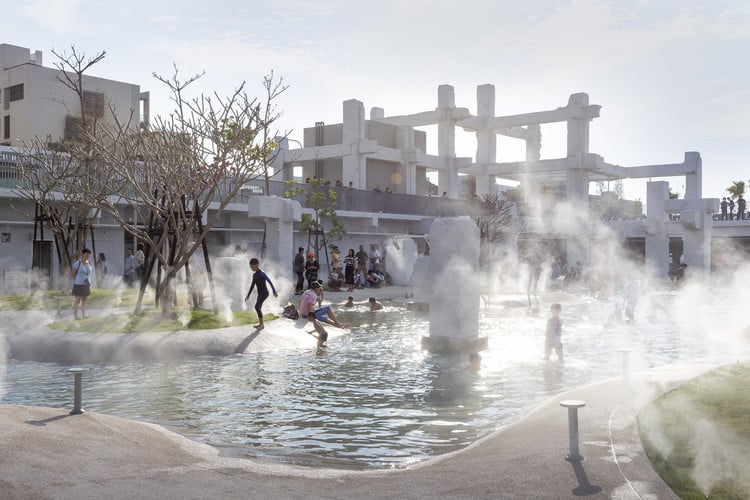
Perhaps nowhere is design’s role in cultural disruption more physically manifest than in architecture. Contemporary architects are increasingly treating buildings not merely as functional structures but as three-dimensional statements about cultural identity and societal values. This approach transforms architecture into an ongoing dialogue between tradition and progress.
Innovative architectural projects worldwide demonstrate this principle. In Africa, designers are reviving traditional building materials like rammed earth and bamboo, combining them with cutting-edge engineering to create structures that are simultaneously sustainable, culturally authentic, and architecturally groundbreaking. These projects challenge the notion that modernity requires abandoning traditional practices.
Similarly, in Asia, architects are reinterpreting classical design principles through contemporary execution. The result is structures that honor ancestral wisdom while addressing present-day needs like climate adaptation, urban density, and community connection. This architectural dialogue proves that tradition and innovation need not be opposing forces but can instead form a powerful synthesis.
Fashion Forward: Textiles Telling New Stories
The fashion industry represents one of the most dynamic arenas for design-driven cultural disruption. Designers are increasingly mining traditional textile techniques, garment construction methods, and symbolic motifs, then reinventing them for contemporary contexts. This process creates fashion that carries cultural depth while appealing to modern aesthetic sensibilities.
Indigenous weaving techniques once confined to specific communities are now appearing on international runways, thanks to collaborative efforts between traditional artisans and contemporary designers. These partnerships do more than create beautiful garments; they establish economic pathways that value traditional skills while introducing them to new markets and audiences.
Beyond aesthetics, fashion design is challenging cultural norms around gender, body image, and identity expression. Designers are creating collections that question binary categorizations, celebrate diverse body types, and allow individuals to express cultural identity on their own terms. This sartorial revolution reflects broader societal shifts toward inclusivity and self-determination.
💻 Digital Design Democratizing Cultural Production
The digital revolution has fundamentally transformed who gets to participate in cultural production. Design tools once requiring expensive equipment and specialized training are now accessible through smartphones and free software. This democratization has unleashed unprecedented creativity, particularly from communities historically marginalized from mainstream cultural conversations.
Social media platforms have become virtual galleries where designers from every corner of the globe can showcase their work, receive feedback, and build audiences without traditional intermediaries. This direct connection between creators and communities has accelerated cultural disruption by enabling rapid iteration and authentic representation.
User experience and interface design have also become crucial in shaping how people engage with cultural content. Apps and websites designed with cultural sensitivity can make traditional knowledge more accessible, while poorly designed platforms can perpetuate exclusion. Recognizing this power, designers are increasingly prioritizing inclusivity in digital spaces.
The Rise of Decolonized Design Thinking
A significant movement within contemporary design discourse involves decolonizing design thinking itself. This approach questions Eurocentric design philosophies that have dominated professional practice and education, making space for alternative methodologies rooted in diverse cultural traditions. The implications of this shift extend far beyond aesthetics to fundamental questions about problem-solving approaches and value systems.
Decolonized design recognizes that different cultures have developed sophisticated design solutions adapted to their specific contexts over millennia. Rather than imposing universal design principles, this approach seeks to learn from varied traditions, acknowledging that no single culture holds a monopoly on good design.
This philosophical shift is manifesting in practical ways. Design schools are revising curricula to include non-Western design histories. Professional organizations are examining whose voices have been historically privileged and actively working to amplify underrepresented perspectives. These institutional changes signal a fundamental reimagining of what design is and who it serves.
🌍 Sustainability Meets Cultural Authenticity
The intersection of sustainable design and cultural authenticity represents another frontier in design-driven cultural disruption. Many traditional practices embody principles of sustainability that contemporary society is only beginning to appreciate. Designers are rediscovering these time-tested approaches and integrating them into solutions for modern environmental challenges.
Indigenous ecological knowledge, for instance, offers profound insights into sustainable resource management. When designers collaborate with indigenous communities, incorporating this knowledge into contemporary design solutions, they create innovations that are both environmentally sound and culturally meaningful. This approach challenges the assumption that progress requires abandoning traditional wisdom.
Materials science is another area where tradition informs innovation. Designers researching historical materials are finding sustainable alternatives to petroleum-based products. Natural dyes, bio-based plastics derived from traditional materials, and closed-loop production systems inspired by traditional crafts are revolutionizing sustainable design while honoring cultural heritage.
Branding Identity in a Globalized World
Brand design has become a critical battlefield for cultural identity in our globalized economy. Companies and communities alike use design to communicate who they are and what they value. This process involves careful negotiation between local authenticity and global appeal, between tradition and contemporary relevance.
Place branding initiatives demonstrate how design shapes cultural perception. Cities, regions, and even entire countries develop visual identities that communicate their unique characteristics to global audiences. Successful place brands achieve a delicate balance: distinctive enough to stand out yet accessible enough to attract investment, tourism, and talent.
For diaspora communities, brand design offers tools for maintaining cultural connections across geographic distances. Cultural organizations, restaurants, and businesses use visual identity systems to signal authenticity and create spaces where heritage can be celebrated and shared. These designed environments become anchors for cultural continuity in new contexts.
📱 Interactive Media Reimagining Cultural Engagement
Interactive design has opened entirely new possibilities for cultural engagement. Museums, cultural institutions, and individual creators are using interactive media to make cultural heritage accessible in ways previously impossible. Augmented reality applications allow users to experience historical sites as they appeared centuries ago. Interactive documentaries enable audiences to explore cultural narratives from multiple perspectives.
Gaming represents a particularly powerful medium for cultural storytelling. Game designers are creating experiences that immerse players in different cultural contexts, building empathy and understanding through interactive engagement. These games challenge stereotypical representations and offer nuanced portraits of diverse communities.
Educational applications designed with cultural sensitivity are transforming how younger generations learn about heritage. Interactive lessons incorporating traditional stories, languages, and practices make cultural education engaging while respecting the depth and complexity of different traditions. This approach demonstrates how thoughtful design can support cultural transmission in digital age.
The Politics of Public Space Design
Public space design has profound implications for cultural expression and social equity. Who gets to use public spaces, how those spaces are designed, and whose cultural values they reflect are fundamentally political questions. Designers increasingly recognize their role in shaping these spaces and the power dynamics they embody.
Tactical urbanism and participatory design processes are disrupting traditional top-down approaches to public space creation. These methodologies involve communities in designing their own spaces, ensuring that public areas reflect local cultural values and meet actual community needs rather than imposing external visions.
Memorial design represents another politically charged arena where design shapes cultural memory. Recent controversies surrounding historical monuments have sparked important conversations about whose stories public spaces tell and how design can acknowledge complex, sometimes painful, histories while pointing toward more inclusive futures.
🔮 Emerging Technologies and Cultural Futures
Emerging technologies present both opportunities and challenges for design-driven cultural disruption. Artificial intelligence, virtual reality, and blockchain technologies are reshaping how cultural content is created, distributed, and valued. Designers working with these technologies face crucial decisions about how to preserve cultural authenticity while exploring new possibilities.
NFTs and blockchain technologies, despite legitimate concerns, have created new economic models for cultural creators. Artists and designers from communities historically excluded from art markets can now reach global audiences and receive fair compensation for their work. This democratization of cultural economics represents a significant disruption of established power structures.
Virtual and augmented reality technologies offer unprecedented opportunities for cultural immersion. Designers can create experiences that transport users into different cultural contexts, fostering understanding across differences. However, these technologies also raise questions about appropriation and authenticity that designers must navigate carefully.
Collaboration as Cultural Bridge Building
Perhaps the most transformative aspect of design’s role in cultural disruption is its potential for fostering collaboration across differences. Design thinking methodologies emphasize empathy, iteration, and co-creation—principles that can bridge cultural divides when applied thoughtfully. Collaborative design processes bring together diverse perspectives, creating solutions that honor multiple cultural viewpoints.
Cross-cultural design partnerships are yielding innovations that neither culture could have developed independently. These collaborations require humility, mutual respect, and genuine interest in learning from different traditions. When successful, they produce design solutions that are culturally rich, aesthetically compelling, and functionally superior.
The future of design lies in this collaborative approach. As global challenges require collective solutions, design can serve as a common language that enables diverse communities to work together while maintaining their distinctive cultural identities. This is design’s ultimate revolutionary potential: not erasing difference but creating frameworks for productive engagement across diversity.
✨ Designing Tomorrow’s Cultural Landscapes
Looking forward, design’s role in shaping cultural disruption will only intensify. As societies grapple with rapid change, designers will continue serving as interpreters, translators, and innovators who help communities navigate transformation while maintaining connections to what matters most. This responsibility requires designers to be culturally literate, ethically grounded, and creatively bold.
The most exciting developments will likely emerge from unexpected places and voices previously excluded from design conversations. As barriers to entry continue falling and diverse perspectives gain recognition, we can anticipate design solutions that challenge our assumptions about what’s possible. This democratization promises a future where cultural disruption serves liberation rather than erasure.
Ultimately, design’s revolutionary impact on tradition stems from its fundamental nature as a human activity concerned with shaping better futures. By honoring the wisdom embedded in cultural traditions while courageously imagining alternatives, designers are creating pathways through which societies can evolve without losing themselves. This delicate balance between continuity and change represents design’s greatest contribution to contemporary cultural life—proof that revolution and tradition need not be enemies but can instead dance together toward more vibrant, inclusive, and human-centered futures.
