
Anúncios
Digital twins are revolutionizing urban planning by creating virtual replicas of cities, enabling real-time monitoring, predictive analysis, and smarter decision-making for sustainable growth.
🌆 The Dawn of Intelligent Urban Infrastructure
Cities worldwide face unprecedented challenges: climate change, population growth, aging infrastructure, and resource scarcity. Traditional urban planning methods struggle to keep pace with these complex, interconnected problems. Enter digital twins—sophisticated virtual models that mirror physical cities in real-time, offering urban planners, engineers, and policymakers a powerful tool to visualize, analyze, and optimize urban systems before implementing changes in the physical world.
Anúncios
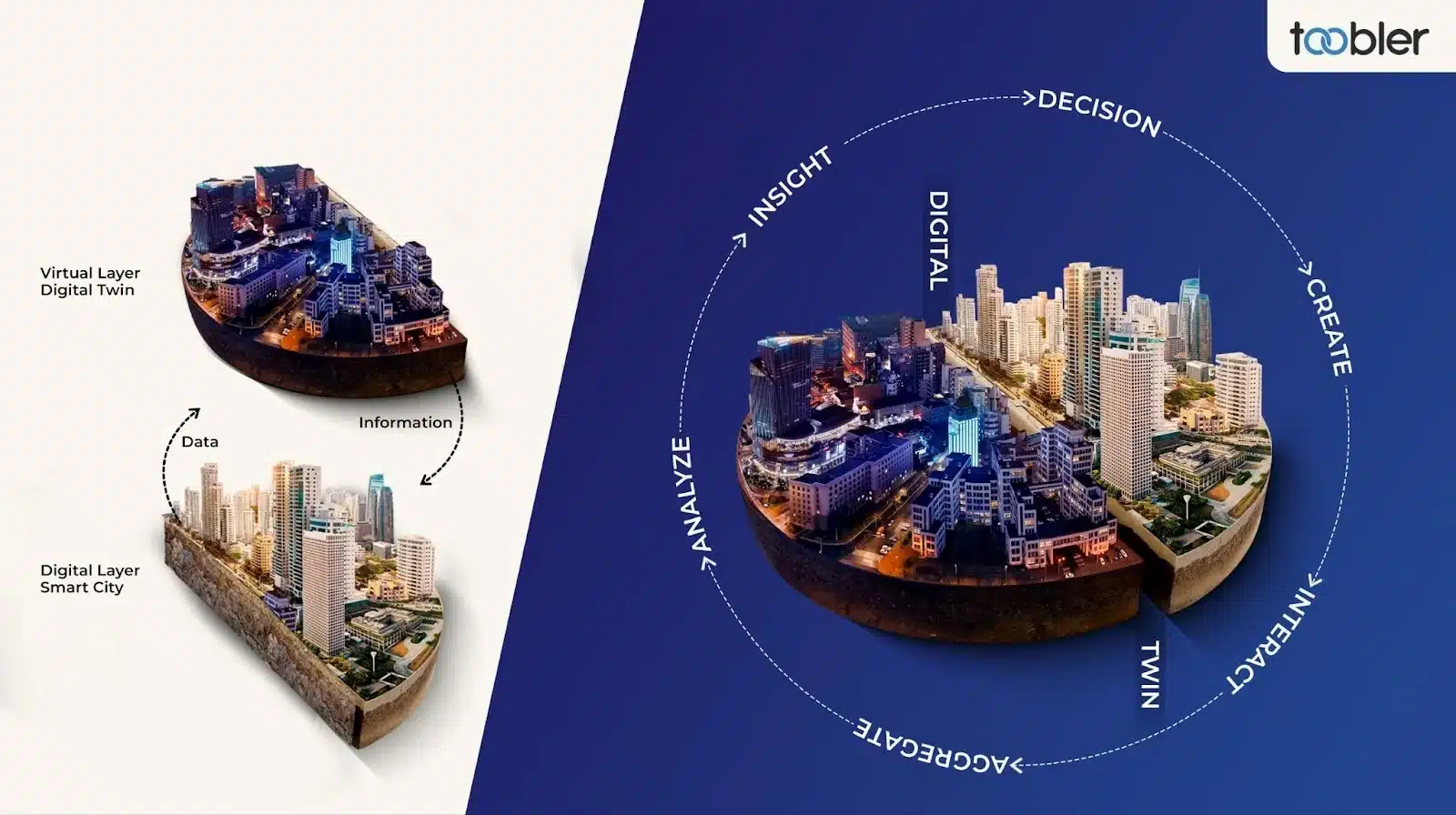
A digital twin is more than a static 3D model. It’s a dynamic, data-driven representation that continuously updates using information from IoT sensors, satellite imagery, citizen input, and historical data. This technology creates a living digital ecosystem where administrators can simulate scenarios, test interventions, and predict outcomes with remarkable accuracy. From traffic flow optimization to disaster response planning, digital twins are fundamentally transforming how we build and manage urban environments.
Understanding Digital Twin Technology in Urban Contexts
Digital twin technology integrates multiple data streams into a cohesive virtual environment. For cities, this means combining geographic information systems (GIS), building information modeling (BIM), real-time sensor data, weather patterns, demographic information, and infrastructure specifications into a unified platform. The result is a comprehensive digital representation that behaves like its physical counterpart.
Anúncios
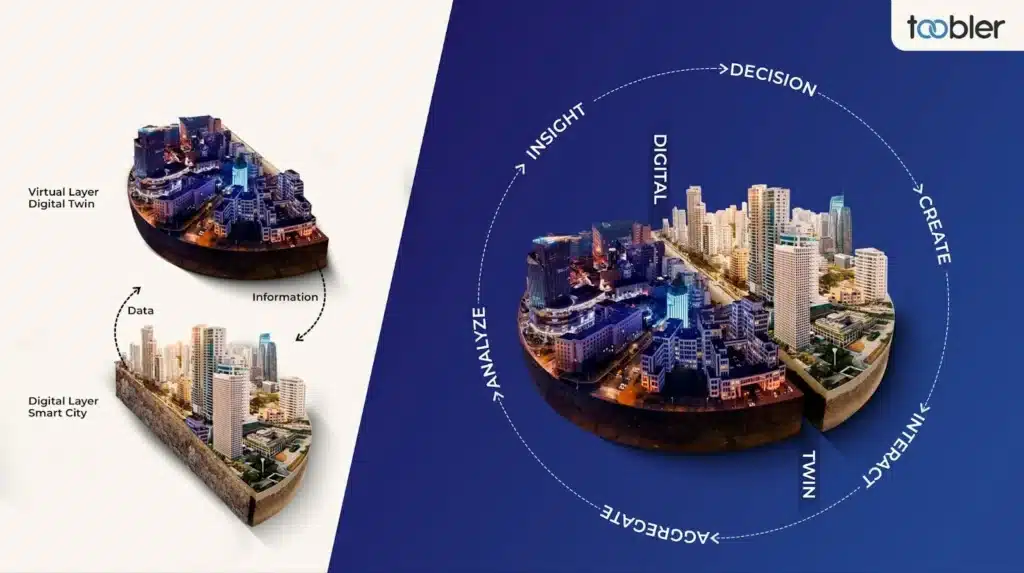
The technology relies on three core components: the physical entity (the actual city), the virtual model (the digital twin), and the bidirectional data flow connecting them. Sensors embedded throughout urban infrastructure—in roads, buildings, water systems, and public spaces—continuously feed information to the digital twin. Advanced analytics and artificial intelligence process this data, identifying patterns, predicting trends, and flagging potential issues before they become critical problems.
Key Technologies Powering Urban Digital Twins
Several technological advancements have made comprehensive city-scale digital twins possible. Internet of Things (IoT) devices provide the sensory network, collecting real-time data on everything from air quality to traffic density. Cloud computing platforms offer the computational power and storage capacity needed to process vast amounts of information. Machine learning algorithms identify patterns and generate predictive insights, while 5G networks enable the low-latency communication essential for real-time updates.
Geographic information systems form the spatial foundation, mapping every street, building, and natural feature with precision. Building information modeling contributes detailed architectural and engineering data for individual structures. Together, these technologies create a multi-layered digital environment where planners can zoom from city-wide perspectives down to individual building systems, understanding how each component affects the whole.
🏗️ Enhancing Infrastructure Resilience Through Simulation
Infrastructure failures can paralyze cities, disrupting essential services and threatening public safety. Digital twins enable proactive infrastructure management by continuously monitoring structural health, predicting maintenance needs, and simulating stress scenarios. Engineers can test how bridges, tunnels, and buildings would respond to extreme weather events, earthquakes, or increased usage without risking actual structures or lives.
Water systems benefit significantly from digital twin implementation. Cities can model their entire water distribution network, identifying leaks, predicting pipe failures, and optimizing pressure throughout the system. During droughts, administrators can simulate various conservation strategies, understanding their impact before implementation. For flooding scenarios, digital twins model water flow through urban areas, helping planners design better drainage systems and identify vulnerable neighborhoods.
Transportation Networks and Traffic Optimization
Traffic congestion costs cities billions in lost productivity and increased emissions. Digital twins revolutionize transportation planning by simulating traffic patterns under various conditions. Planners can test the impact of new roads, public transit routes, or traffic signal timing adjustments virtually, selecting the most effective solutions before investing in physical changes.
Real-time traffic management becomes far more sophisticated with digital twins. As conditions change—accidents occur, events begin, or weather deteriorates—the system can instantly model alternative routing strategies, adjusting traffic signals and providing dynamic guidance to drivers. Public transportation systems use digital twins to optimize schedules, predict maintenance needs, and improve passenger experiences based on actual usage patterns.
Climate Adaptation and Environmental Sustainability 🌍
Climate change presents perhaps the greatest challenge to urban resilience. Digital twins help cities understand their environmental vulnerabilities and develop effective adaptation strategies. By integrating climate models with urban infrastructure data, planners can visualize how rising temperatures, changing precipitation patterns, and extreme weather events will affect their cities decades into the future.
Urban heat islands—areas significantly warmer than surrounding regions—pose serious health risks. Digital twins model temperature variations across neighborhoods, helping planners identify where additional green spaces, reflective surfaces, or shade structures would have the greatest cooling effect. Energy consumption patterns become transparent, revealing opportunities for efficiency improvements in buildings, streetlights, and municipal facilities.
Green Infrastructure and Ecosystem Services
Parks, trees, and green roofs provide crucial ecosystem services—cooling, air purification, stormwater absorption, and mental health benefits. Digital twins quantify these services, demonstrating their value in concrete terms. When planning new developments, decision-makers can model different green infrastructure scenarios, understanding exactly how various configurations would affect air quality, temperature, and flood risk.
Water-sensitive urban design becomes more effective with digital twin support. Planners can simulate how rain gardens, permeable pavements, and bioswales would function in specific locations, optimizing placement and design before construction. The models account for soil types, topography, rainfall patterns, and existing drainage systems, ensuring green infrastructure investments deliver maximum benefits.
Emergency Response and Disaster Management
When disasters strike, every second counts. Digital twins provide emergency responders with real-time situational awareness, showing building layouts, infrastructure status, population distributions, and optimal evacuation routes. During hurricanes, fires, or terrorist attacks, incident commanders can visualize the situation dynamically, coordinating resources more effectively and making informed decisions under pressure.
Preparation becomes far more thorough with digital twin simulations. Cities can model various disaster scenarios—earthquakes of different magnitudes, floods at various severity levels, or disease outbreaks with different transmission rates. These simulations reveal vulnerabilities, inform emergency plans, and help train first responders in realistic virtual environments before actual crises occur.
Public Health and Pandemic Response
The COVID-19 pandemic demonstrated how quickly disease can overwhelm urban systems. Digital twins offer powerful tools for epidemiological modeling, tracking disease spread through transportation networks, workplaces, and public spaces. Public health officials can simulate various intervention strategies—testing protocols, quarantine measures, vaccination campaigns—understanding their likely effectiveness and economic impact before implementation.
Healthcare capacity planning benefits from digital twin technology as well. Hospitals can model patient flows during normal operations and surge scenarios, optimizing layouts, staffing, and resource allocation. At the city level, planners can identify underserved areas and determine optimal locations for new clinics or hospitals based on population health data, transportation access, and projected demographic changes.
📊 Data Integration and Interoperability Challenges
Creating comprehensive digital twins requires integrating data from numerous sources—government agencies, utility companies, private businesses, and citizens. These organizations often use incompatible systems, different data formats, and varying quality standards. Establishing common protocols and convincing stakeholders to share information represents a significant technical and political challenge.
Data quality directly affects digital twin accuracy and usefulness. Incomplete, outdated, or incorrect information produces flawed models that can lead to poor decisions. Cities must invest in data governance frameworks, ensuring information is validated, regularly updated, and properly secured. Privacy concerns arise when models incorporate detailed data about individuals and properties, requiring careful balance between functionality and civil liberties.
Cybersecurity and System Vulnerabilities
As digital twins become integral to urban management, they also become attractive targets for cyberattacks. A compromised digital twin could provide adversaries with detailed knowledge of critical infrastructure vulnerabilities or enable manipulation of real-world systems connected to the model. Robust cybersecurity measures—encryption, access controls, continuous monitoring, and incident response plans—are essential for protecting these strategic assets.
Resilience requires redundancy. Cities cannot afford to become entirely dependent on digital systems that might fail during crises when they’re needed most. Maintaining analog backup systems and ensuring personnel can function without digital twin support preserves operational capacity during system outages or cyberattacks.
Citizen Engagement and Democratic Urban Planning
Digital twins democratize urban planning by making complex information accessible to ordinary citizens. Rather than reviewing dense technical documents or abstract plans, residents can explore interactive 3D models showing exactly how proposed developments would look and function in their neighborhoods. This transparency fosters more meaningful public participation in planning processes.
Visualization tools allow citizens to propose their own ideas and see their potential impacts. Want to suggest a new park or bike lane? The digital twin can simulate how it would affect traffic, property values, and accessibility. This empowers communities to contribute constructively to urban development rather than simply reacting to proposals from authorities.
Addressing Digital Divides and Equity Concerns
Technology-driven urban planning risks exacerbating existing inequalities if not implemented thoughtfully. Wealthier neighborhoods might have better sensor coverage and data quality, receiving more attention from algorithms optimizing city services. Digital twin initiatives must intentionally prioritize equity, ensuring underserved communities benefit equally from improved planning and services.
Access to digital twin interfaces and planning processes should extend beyond those with high-tech devices and broadband internet. Cities should provide public access points, simplified interfaces, and multilingual support, ensuring technology enhances rather than restricts democratic participation. Community organizations can serve as intermediaries, helping residents understand and engage with digital twin tools.
🚀 Future Developments and Emerging Applications
Digital twin technology continues evolving rapidly. Artificial intelligence advances enable increasingly sophisticated predictive capabilities, identifying subtle patterns humans might miss and suggesting innovative solutions to urban challenges. Augmented reality integration will allow city workers and citizens to overlay digital twin information onto physical environments through mobile devices or smart glasses, seeing invisible infrastructure or future developments superimposed on actual streets.
Autonomous vehicles will rely heavily on digital twins for navigation and coordination. Rather than each vehicle independently sensing its environment, fleets can share information through a common digital twin, enabling safer, more efficient transportation. Smart buildings will connect to city-scale digital twins, coordinating energy usage, climate control, and space utilization across entire districts.
Interconnected City Networks
As individual cities develop digital twins, opportunities arise for interconnection and collaboration. Regional digital twins could model transportation corridors, watersheds, or airsheds spanning multiple jurisdictions, enabling coordinated planning for challenges that transcend municipal boundaries. International networks of cities could share best practices, compare scenarios, and collectively address global challenges like climate change.
Standardization efforts will make digital twins more interoperable, allowing cities to adopt components developed elsewhere rather than building everything from scratch. Open-source initiatives and shared platforms could reduce costs, making sophisticated urban planning tools accessible to smaller cities and developing nations that might otherwise lack resources for digital twin implementation.
Economic Considerations and Return on Investment 💰
Digital twin implementation requires substantial upfront investment in sensors, software, data infrastructure, and personnel training. However, the economic benefits can be compelling. Infrastructure maintenance costs decrease when problems are predicted and addressed before failures occur. Energy efficiency improvements reduce operational expenses. Optimized traffic flow saves time and fuel while reducing emissions-related health costs.
Economic development benefits from better planning as well. Companies increasingly consider technological sophistication when choosing business locations. Cities with advanced digital twins can offer better information to developers, streamline permitting processes, and demonstrate their commitment to innovation and sustainability. Tourism can benefit from digital twin applications that enhance visitor experiences and showcase a city’s forward-thinking character.
Calculating True Urban Value
Traditional economic metrics don’t capture all benefits digital twins provide. How do you quantify lives saved through better emergency response? What’s the value of reduced anxiety when citizens trust their city’s preparedness for disasters? How much is social cohesion worth when communities participate meaningfully in planning their neighborhoods? Comprehensive benefit assessments must consider these intangible but crucial outcomes.
Long-term perspective is essential when evaluating digital twin investments. Initial costs are concentrated while benefits accrue over decades. The true value emerges as the system matures, accumulates historical data, and enables increasingly sophisticated analyses. Cities must resist expecting immediate returns and commit to sustained investment in this foundational capability.
Implementation Strategies for Forward-Thinking Cities
Cities beginning digital twin journeys should start with clear objectives aligned to pressing challenges. Rather than attempting to model everything immediately, focus on specific high-priority systems—perhaps flooding vulnerability, traffic management, or energy efficiency. Early successes build momentum, demonstrate value, and generate political support for expansion.
Partnership approaches share costs and expertise. Universities provide research capacity and fresh perspectives. Technology companies offer cutting-edge tools and implementation experience. Other cities that have already developed digital twins can share lessons learned. Public-private partnerships can distribute financial burdens while ensuring public interest remains paramount in system design and operation.
Workforce development cannot be overlooked. Digital twins require new skills—data science, spatial analysis, systems thinking—that traditional urban planning programs may not emphasize. Cities must invest in training existing staff while recruiting diverse talent capable of working at the intersection of technology, urban design, and public service. Creating career pathways that retain skilled personnel ensures long-term capability development.
🏙️ Transforming Urban Futures Through Digital Innovation
Digital twins represent far more than technological novelty—they embody a fundamental shift in how humanity approaches urban development. For the first time, we can see cities as integrated systems, understanding how transportation affects air quality, how green spaces influence mental health, or how building design impacts energy consumption across entire neighborhoods. This holistic perspective enables wiser decisions that optimize multiple objectives simultaneously rather than inadvertently solving one problem while creating others.
As climate change, population growth, and resource constraints intensify, cities need every advantage in building resilience and sustainability. Digital twins provide visibility into complex urban systems, prediction of future challenges, and testing grounds for solutions. They enable proactive rather than reactive management, shifting from crisis response to continuous optimization. Most importantly, they help ensure our cities remain livable, equitable, and vibrant for generations to come.
The journey toward comprehensive urban digital twins will span decades, requiring sustained commitment, substantial investment, and continuous innovation. But cities embracing this transformation today are positioning themselves to thrive in an uncertain future, harnessing technology not as an end in itself, but as a powerful tool for creating better places where people can flourish. The digital twin revolution in urban planning has begun—the question is not whether cities will adopt this technology, but how quickly and effectively they’ll deploy it to build stronger, more resilient communities.
