
Anúncios
Modern smartphones now offer smart solutions to help you find lost metallic items quickly and easily using advanced sensors already built into your device.
Have you ever spent frustrating minutes searching for your keys under couch cushions or looking for that earring that rolled under the bed? Metal detector apps transform your smartphone into a powerful tool capable of identifying metallic objects through magnetic field measurements.
Anúncios
These applications leverage the magnetometer sensor present in most modern phones to detect ferromagnetic materials nearby.
What makes these apps particularly useful is their accessibility and convenience. Instead of purchasing expensive metal detecting equipment, you simply download an app and start locating missing items immediately.
Anúncios


From coins dropped in your car to screws that fell during home repairs, these digital tools provide practical solutions for everyday challenges. 🔍
How Metal Detector Apps Actually Work on Your Phone
The technology behind these applications might seem complex, but the principle is straightforward. Your smartphone contains a magnetometer sensor originally designed for compass functionality and navigation. This sensor constantly measures the Earth’s magnetic field strength in three dimensions. When a ferromagnetic metal object comes near your phone, it disturbs the natural magnetic field, creating detectable fluctuations.
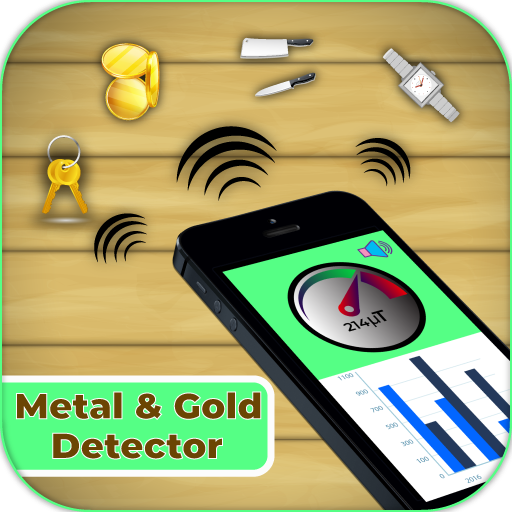
Metal detector apps read these disturbances and translate them into visual or audio feedback. Most applications display a numerical reading in microteslas (µT), showing the magnetic field strength. As you move your phone closer to metallic objects, the readings increase, helping you pinpoint the exact location. Some sophisticated apps also provide graphical representations with colorful displays that change based on proximity.
The sensitivity varies depending on your phone’s hardware quality and the type of metal you’re searching for. Ferromagnetic metals like iron, steel, nickel, and cobalt produce stronger signals because they significantly affect magnetic fields. Non-ferrous metals like aluminum, copper, gold, and silver generate weaker responses since they’re less magnetic by nature.
Best Situations to Use Mobile Metal Detectors
These applications shine in specific everyday scenarios where traditional searching methods fall short. Understanding when to deploy your metal detector app maximizes its effectiveness and saves valuable time. ⏰
Finding Lost Items Around Your Home
Indoor environments present perfect opportunities for metal detection apps. When jewelry disappears into carpet fibers or keys slide between sofa cushions, your phone becomes an invaluable search companion. The controlled environment means fewer interfering magnetic sources, allowing for more accurate readings.
Bathrooms and bedrooms are particularly suitable spaces since metal objects stand out against non-metallic surroundings. Dropped earrings near bathroom sinks, wedding rings that slipped off while washing hands, or small screws from eyeglasses become easier to recover using systematic scanning patterns.
Locating Hardware and Construction Materials
DIY enthusiasts and professional contractors find these apps surprisingly useful for construction-related tasks. Detecting nails, screws, or metal studs behind walls helps prevent drilling accidents and locate optimal mounting points. Before hanging heavy frames or installing shelves, scanning the wall identifies hidden metal fasteners or pipes.
When working with wood, these apps help locate embedded nails or staples before sawing, preventing blade damage. Gardeners use them to find buried irrigation components or lost tools in soil. The applications prove their worth across numerous practical situations beyond simple lost item recovery.

Key Features That Make Detection Apps Effective
Not all metal detector applications offer identical functionality. Understanding the features that separate excellent apps from mediocre ones helps you choose the right tool for your needs. Premium and free versions often differ significantly in capabilities and user experience.
Real-Time Measurement Display
The most fundamental feature involves displaying magnetic field strength in real-time. Quality apps update readings instantly as you move your device, providing immediate feedback. The measurement typically appears in microteslas with baseline readings around 25-65 µT depending on your location and surrounding environment.
Clear numerical displays combined with visual indicators create intuitive user experiences. Color-coded scales that shift from green to yellow to red as readings increase help users quickly interpret results without constantly checking numbers. Audio alerts add another dimension, allowing hands-free operation while keeping eyes on the search area.
Calibration and Sensitivity Adjustment
Environmental magnetic interference from electronics, building materials, or natural geological features can affect accuracy. Advanced applications include calibration tools that establish baseline readings specific to your current location. This feature filters out ambient interference, highlighting only significant changes caused by nearby metallic objects.
Sensitivity adjustments let users fine-tune detection ranges. Higher sensitivity settings detect smaller objects or metals at greater distances but may trigger false positives from environmental noise. Lower sensitivity reduces interference but requires closer proximity to targets. Customizable settings accommodate different search scenarios effectively.
Historical Data and Tracking
Some sophisticated apps record detection history, logging locations where significant readings occurred. This feature benefits treasure hunters, archeology enthusiasts, or anyone conducting systematic searches across large areas. GPS integration marks spots with unusual magnetic signatures for later investigation or pattern analysis.
Understanding Detection Limitations and Realistic Expectations
While metal detector apps offer impressive functionality, they operate within specific constraints. Setting realistic expectations prevents disappointment and helps users leverage these tools appropriately. 📱
Smartphone magnetometers weren’t originally designed for metal detection, so their capabilities differ from dedicated metal detecting equipment. Professional detectors use specialized coils and advanced signal processing to achieve greater depth, discrimination, and accuracy. Mobile apps provide convenient, accessible detection for everyday situations rather than professional treasure hunting or security screening.
Detection depth represents the most significant limitation. Most smartphone apps effectively detect metallic objects within 6-8 inches of the device. Larger metal masses may register at slightly greater distances, while very small items require near-contact proximity. Dedicated metal detectors often reach several feet underground, making them superior for outdoor searches or archeological applications.
Material composition dramatically impacts detection success. Ferromagnetic metals produce strong signals easily identified by phone sensors. Precious metals like gold and silver, being weakly magnetic or non-magnetic, generate minimal responses that apps struggle to detect reliably. Understanding these material differences helps set appropriate expectations for what your app can realistically find.
Tips for Maximizing Detection Accuracy
Proper technique significantly improves your success rate when using metal detector apps. Following proven strategies enhances detection capabilities and reduces wasted effort searching unproductive areas.
Optimal Phone Movement Patterns
Slow, deliberate movements yield better results than quick sweeping motions. Moving your phone rapidly across surfaces doesn’t allow the magnetometer sufficient time to register and process magnetic field changes. Maintain steady speeds of approximately 1-2 inches per second for optimal sensor response.
Keep the phone’s back surface parallel to the search area and maintain consistent distance. Most magnetometers locate near the camera module, so positioning this section closest to the search surface maximizes sensitivity. Systematic grid patterns ensure complete coverage without missing sections, especially when searching larger areas like yards or workshops.
Minimizing Environmental Interference
Electronic devices generate electromagnetic fields that interfere with accurate readings. Turn off nearby electronics, move away from appliances, and avoid searching near electrical wiring when possible. Concrete with embedded rebar, metal furniture, and heating ducts create background magnetic noise that obscures smaller targets.
Outdoor searches face additional challenges from buried pipes, underground cables, and natural magnetic anomalies in soil. Urban environments present particularly noisy magnetic landscapes. When initial scans show confusing or inconsistent readings, relocate to areas with fewer potential interference sources or increase the app’s discrimination settings if available.
Regular Calibration Practices
Calibrating your app before each search session establishes accurate baseline measurements for current conditions. Most apps include simple calibration procedures involving figure-eight motions or placing the phone on a flat, metal-free surface. This process resets the sensor’s reference point, improving detection accuracy for subsequent searches. 🎯
Recalibrate whenever you move to significantly different environments or notice readings seem inconsistent with known metal locations. Temperature changes, altitude shifts, and proximity to large metal structures all affect baseline magnetic fields, necessitating fresh calibration for optimal performance.
Turning Detection Into an Engaging Activity
Beyond practical utility, metal detector apps transform ordinary moments into entertaining exploration opportunities. Families discover new ways to spend quality time together while children develop problem-solving skills and scientific curiosity.
Beach visits become treasure hunting adventures as kids scan sand for buried coins, lost jewelry, or interesting metal artifacts. Parks and playgrounds offer similar opportunities where dropped items accumulate over time. The educational aspect teaches children about magnetism, sensors, and technology applications in engaging, hands-on ways.
Geocaching enthusiasts incorporate metal detection into location verification and cache finding strategies. When GPS coordinates lead to general areas, metal detectors help pinpoint containers hidden near metallic landmarks or containing metal components. This combination of technologies creates layered puzzle-solving experiences that appeal to adventure seekers.
Choosing the Right Metal Detector App
App stores contain numerous metal detection applications with varying quality, features, and reliability. Selecting appropriate software ensures satisfying user experiences and effective metal detection capabilities.
User reviews provide valuable insights into real-world performance and reliability. Pay attention to comments regarding accuracy, ease of use, and whether the app functions as advertised. Apps with thousands of positive reviews and regular updates typically offer better performance than abandoned projects with outdated code.
Free versions often include advertisements and limited features but provide sufficient functionality for casual users. Premium versions remove ads and unlock advanced features like enhanced sensitivity, historical tracking, and customization options. Consider your intended use frequency and whether premium features justify the investment. 💎
Compatibility matters significantly since magnetometer sensors vary between phone models. Verify that your specific device includes this sensor before downloading apps. Some older or budget smartphones lack magnetometers entirely, rendering metal detector apps non-functional. Check your phone’s specifications or test with a compass app first.
Safety Considerations When Metal Detecting
While generally safe, metal detecting activities require awareness of potential hazards and respectful practices. Following sensible guidelines protects both users and the environment.
When detecting around construction sites or older buildings, beware of sharp objects like nails, broken glass, or rusty metal fragments. Wear appropriate gloves when reaching into areas where detected metals hide. Tetanus vaccinations should remain current if you frequently handle potentially rusty materials or work in outdoor environments.
Respect private property and obtain permission before searching on land you don’t own. Many areas restrict metal detecting activities, particularly archeological sites, national parks, and protected lands. Research local regulations and observe posted restrictions to avoid legal complications or fines.
Be environmentally conscious during searches, filling any holes dug and removing trash encountered. Responsible detecting preserves natural spaces and maintains positive relationships with landowners and authorities. Taking only legitimate finds while leaving natural features undisturbed ensures these activities remain welcomed rather than prohibited.
Expanding Your Detection Skills Over Time
Like any skill, proficiency with metal detector apps improves through practice and experimentation. Dedicated users develop intuition about readings, environmental factors, and optimal search techniques that enhance success rates substantially.
Start with controlled experiments using known metal objects hidden in various locations and depths. This practice helps you understand your specific phone’s sensitivity range and how different metals register. Document baseline readings in various environments to build reference knowledge for field situations.
Join online communities where enthusiasts share tips, discoveries, and troubleshooting advice. Forums and social media groups dedicated to metal detecting provide valuable resources for beginners and experienced users alike. Learning from others’ experiences accelerates your skill development while connecting you with like-minded individuals.
Consider eventually upgrading to dedicated metal detecting equipment if the hobby captures your interest. Professional detectors offer capabilities far beyond smartphone apps, opening possibilities for serious treasure hunting, relic recovery, or gold prospecting. Many hobbyists begin with phone apps before investing in specialized equipment as their passion grows. ⚡
Integrating Detection Apps Into Daily Routines
The true value of metal detector apps emerges when they become natural problem-solving tools in everyday life. Rather than specialized equipment reserved for occasional use, these applications serve as readily available solutions to common frustrations.
Keep the app easily accessible on your phone’s home screen for quick deployment when needs arise. Many users discover they rely on these tools more frequently than initially expected once convenience removes barriers to use. Whether locating furniture assembly hardware that rolled away or finding jewelry that slipped behind bathroom fixtures, having detection capability always available proves remarkably practical.
The combination of accessibility, zero additional cost beyond your existing smartphone, and surprising effectiveness makes metal detector apps valuable additions to your mobile toolkit. They represent the democratization of technology, putting capabilities once requiring expensive specialized equipment into everyone’s pocket. This transformation exemplifies how smartphones continue expanding their utility beyond communication into practical everyday problem-solving instruments.
From casual users recovering lost items to hobbyists exploring beaches and parks, metal detector apps serve diverse needs effectively. Understanding their capabilities, limitations, and proper usage techniques ensures you extract maximum value from this clever application of existing smartphone technology. Download an app today and discover how this simple tool can save time, reduce frustration, and add an element of fun to everyday challenges. 🔎✨
